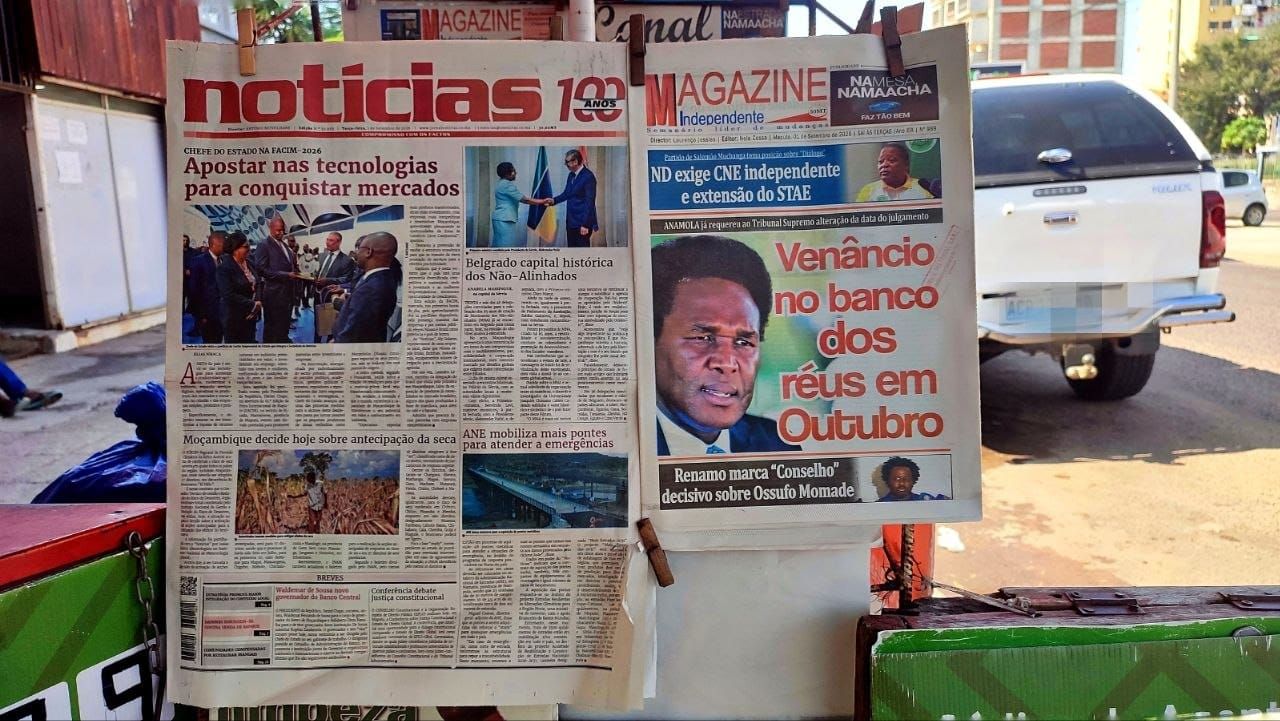
Good morning and welcome to yesterday’s daily. President Daniel Chapo gave Felisberto Navalha an extensive list of instructions when swearing him in on Wednesday as governor of the Bank of Mozambique. The central bank must help address shortages of foreign currency, contain domestic public borrowing, widen access to credit, promote technological innovation and bring financial services to rural Mozambique—all while maintaining low inflation, a stable currency and a sound banking system.
These are legitimate objectives. Businesses cannot invest if they cannot obtain foreign currency to import equipment and materials. Farmers and small companies cannot expand without finance. A central bank that protects excellent macroeconomic indicators while the productive economy remains starved of money would have a narrow understanding of stability.
The full Daily Briefing continues below for Pro subscribers. Subscribers to the Zitamar News tier can read the top half, including the full leader article, here.
Chapo was also right that monetary policy cannot solve those problems alone. Mozambique’s shortage of foreign currency ultimately reflects weak and undiversified exports. High interest rates cannot compensate for fiscal indiscipline, poor infrastructure or an unfavourable business environment. The Ministry of Finance and the central bank must talk to each other, particularly when growing domestic borrowing by the state absorbs liquidity that could otherwise finance companies.
But the context makes Chapo’s demand for coordination politically sensitive. Many figures in Frelimo, the government and the business sector resented Rogério Zandamela’s strict focus on inflation, tight credit and firm supervision of commercial banks. Zandamela did not always manage those relationships well, and some of the central bank’s penalties could appear arbitrary or disproportionate. Nevertheless, his willingness to resist pressure was an important defence against politically convenient monetary policy.