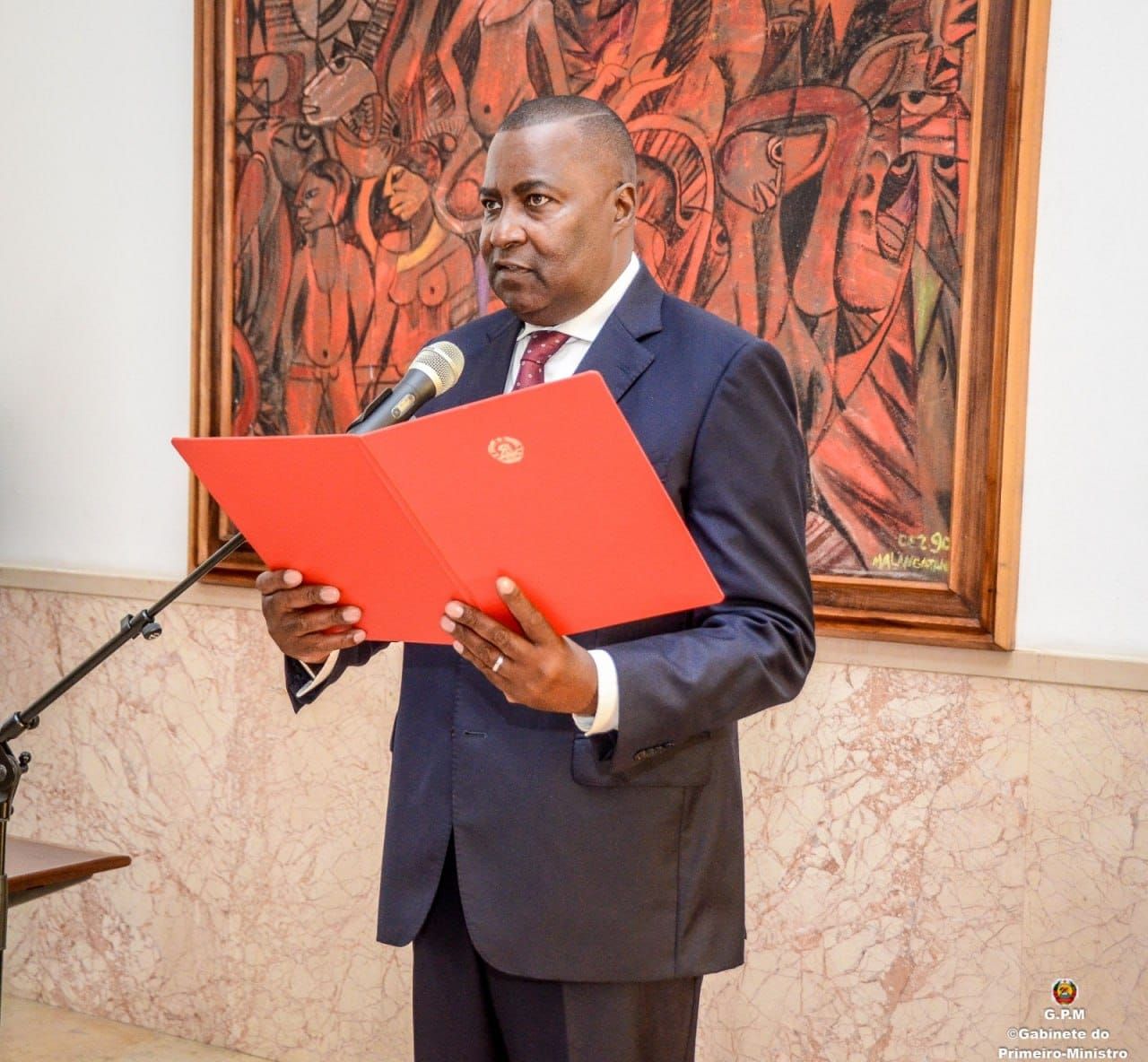

Good afternoon. President Daniel Chapo arrived in Cabo Delgado this week with a message of reconciliation. Speaking in Montepuez, he urged insurgents to abandon violence and join Mozambique's Inclusive National Dialogue, arguing that peace is essential if the province is to develop.
No conflict that has lasted nearly nine years is likely to end through military action alone. At some stage, dialogue will almost certainly form part of any lasting settlement.
The full Daily Briefing continues below for Pro subscribers. Subscribers to the Zitamar News tier can read the top half, including the full leader article, here.
But dialogue is not a strategy in itself. It is the conclusion of a political process, not the beginning of one. Chapo did not announce an amnesty, a reintegration programme or any mechanism through which insurgents could safely surrender. Nor did he explain why fighters should abandon the influence they have built in parts of Cabo Delgado in return for a simple invitation to talk.
The insurgency has also changed. In parts of coastal Cabo Delgado, it is no longer relying only on spectacular attacks and indiscriminate violence. It is seeking to build acceptance — or at least tolerance — among some local communities through preaching, coercion and selective violence, while discouraging cooperation with the state. Its ambition is not simply to survive military operations, but to make the state's return more difficult by presenting itself as an alternative source of authority. Recent analysis by Peter Bofin for the Mozambique Conflict Monitor, Zitamar’s joint project with ACLED, suggests that this political project is now as important as the group's military campaign.

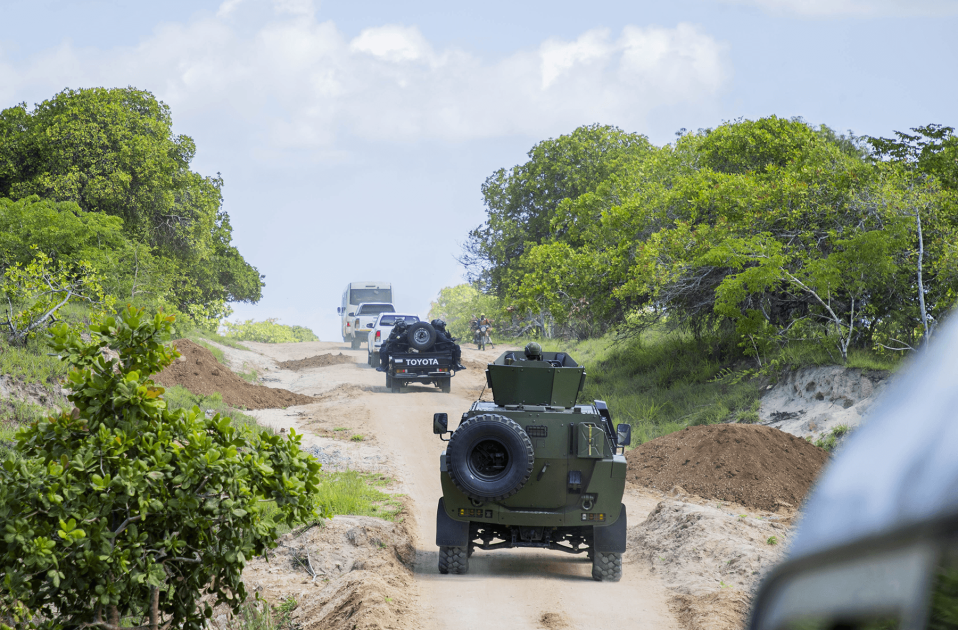
That means the contest in Cabo Delgado is no longer only about territory. It is about legitimacy. Military operations can prevent insurgents from holding towns or threatening strategic projects. They cannot, on their own, persuade communities that the state deserves their confidence.