Good afternoon. This week the government authorised a technical team to negotiate the sale of part of the state’s 66% stake in Mozambique Telecom (Tmcel), the state-owned mobile and fixed-line operator. The decision is overdue. A cash-strapped government has little reason to keep funding a chronically loss-making company. Council of Ministers spokesman Inocêncio Impissa presented the sale as a means to recapitalise Tmcel and attract a private investor. As far as it goes, that is sound.
The numbers explain the urgency. In 2024, Tmcel lost MZN4.44bn ($69m), more than double its MZN2.13bn ($33m) loss the year before. Liabilities of MZN37.94bn ($594m) exceeded assets of MZN23.38bn ($366m), leaving negative equity of MZN14.56bn ($228m). Ernst & Young issued a disclaimer of opinion because it could not obtain sufficient audit evidence on several material balances and matters. Separately, it identified material uncertainty over Tmcel’s ability to continue operating and noted that the company had lost more than half its share capital. The finance ministry puts Tmcel in its highest fiscal-risk category, alongside LAM and Airports of Mozambique. Keeping it in its present form simply passes the bill to taxpayers.
The full Daily Briefing continues below for Pro subscribers. Subscribers to the Zitamar News tier can read the top half, including the full leader article, here.
The latest from Zitamar News:
 Zitamar News
How did we get here, and how will the sale be handled? In 2018, state-owned mobile operator Mcel merged with fixed-line and internet provider TDM to form Tmcel. The merger was supposed to combine their networks, customers, and expertise in a competitive national operator. Instead, it brought together two troubled companies without resolving their debts, high costs, or weak commercial culture.
For years, TDM, Mcel and then Tmcel were treated less as commercial businesses than as extensions of the state and the ruling Frelimo party. Board positions and jobs could reward political loyalty, while commercial discipline, technical competence and accountability came second. That patronage helped create an oversized workforce and protected poor management from the consequences of failure. The state allowed valuable public assets to decay, and is seeking a private investor only after the company has become a fiscal liability.
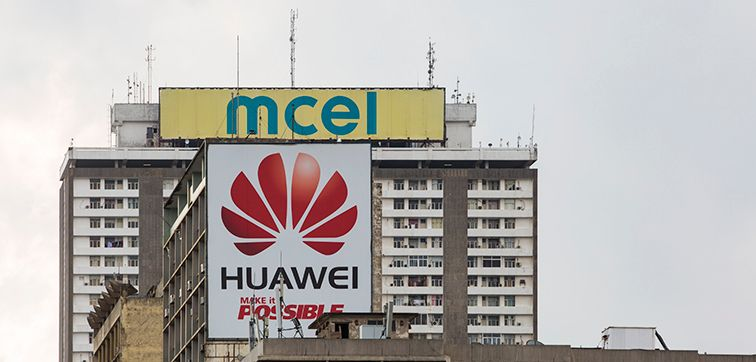
This cannot be blamed simply on a lack of infrastructure or investment. Tmcel inherited TDM’s fixed network and national fibre backbone and Mcel’s mobile business. It later agreed a $153m modernisation programme with Huawei. By the end of 2024, it had modernised or activated 1,248 sites. The failure was its inability to turn those assets into a sustainable business.