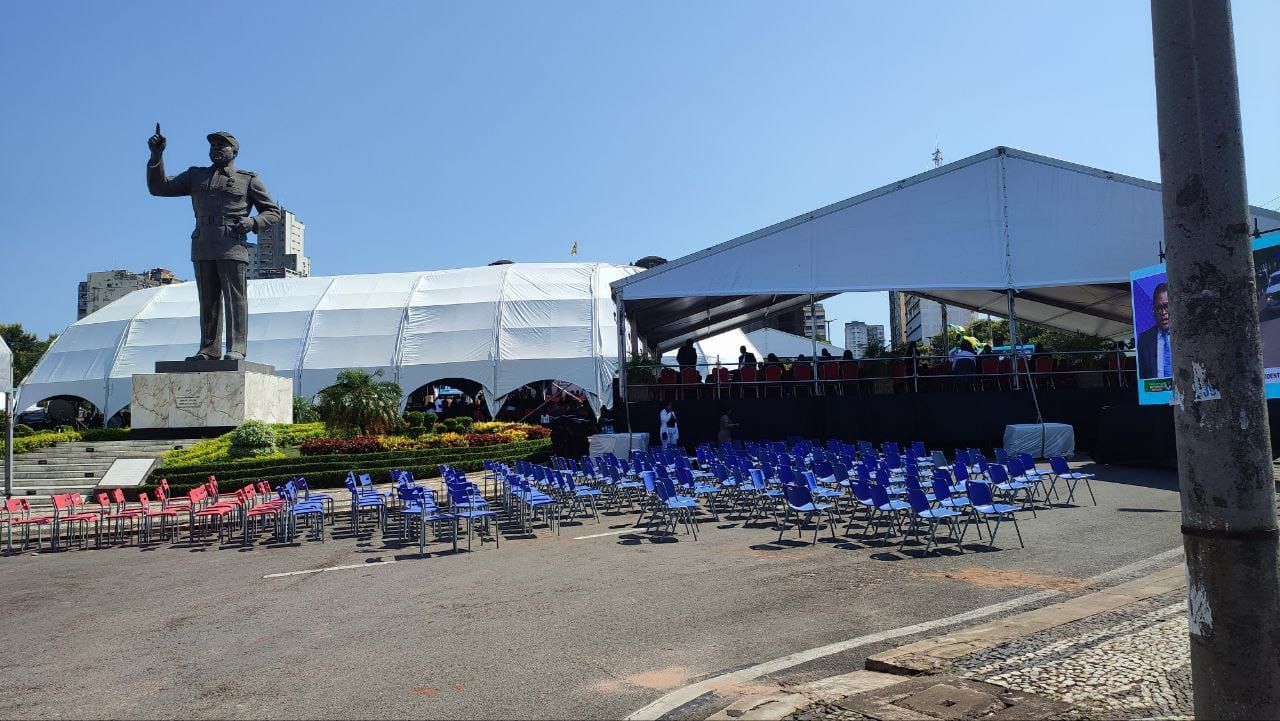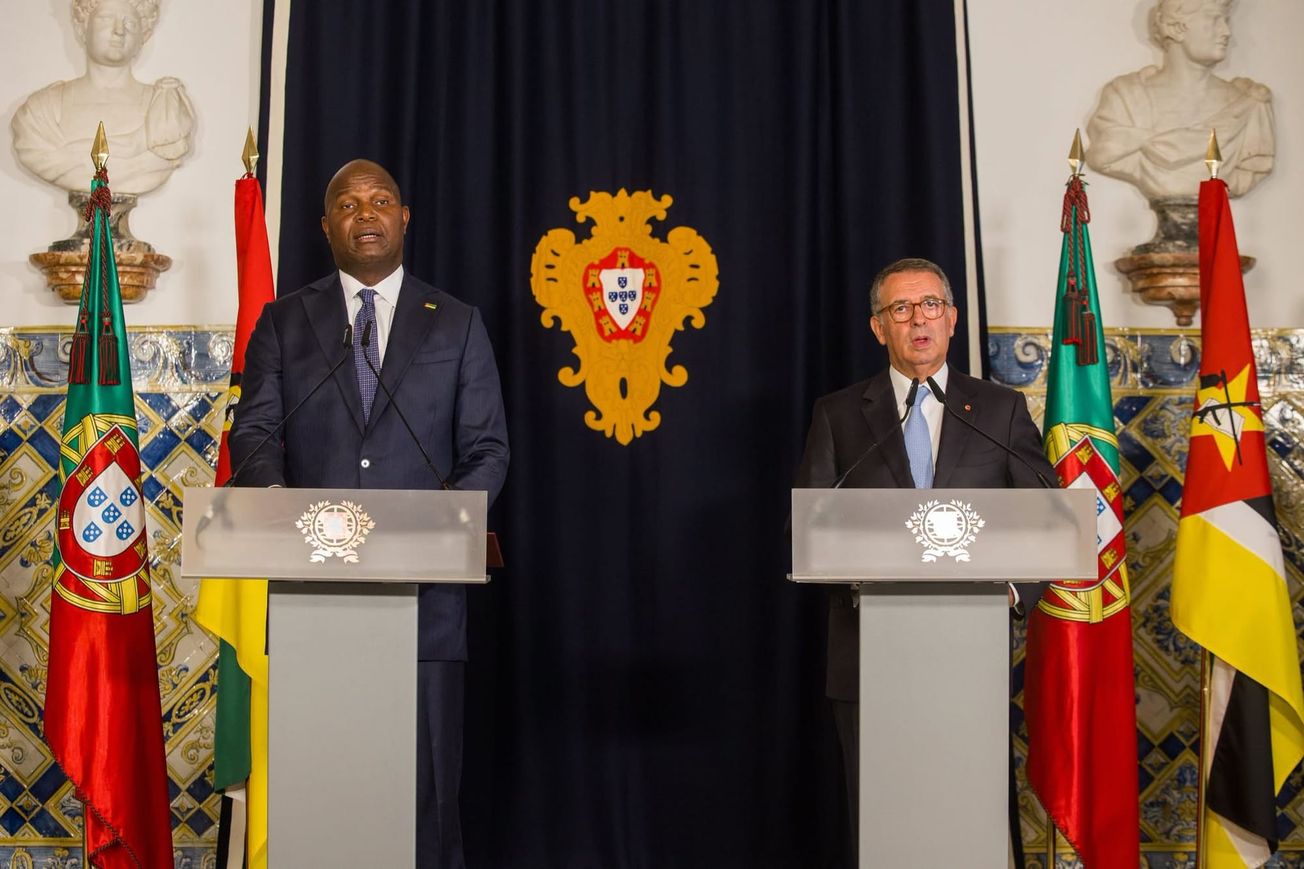
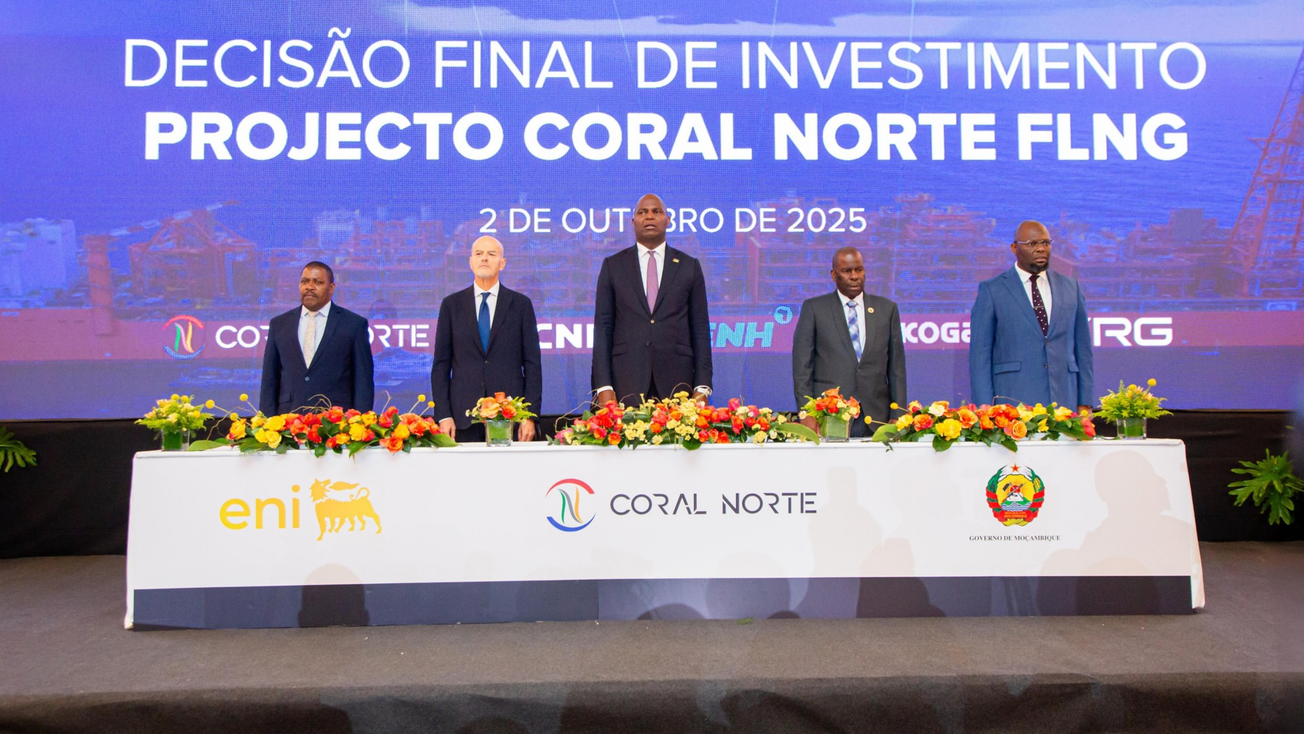
Hello, and welcome to a weekend edition of the Zitamar Daily Briefing. It’s been a landmark week for gas production in Mozambique, but not in the way some expected. At a ceremony in Maputo on Thursday, president Daniel Chapo shared the stage with the CEO of Italian oil and gas company Eni, to confirm that a second floating LNG platform on the Coral gas field, off northern Cabo Delgado, will go ahead. But no such announcement was made about the much bigger TotalEnergies-led onshore project.
Media speculation that TotalEnergies (TE) would formally lift the force majeure status on the project, under which it halted work in 2021, last week led the environmental NGO Friends of the Earth to seek a preliminary injunction to stop the US Export-Import Bank (EXIM) disbursing nearly $5bn to the project. But in a filing seen by Zitamar News, TE told the court in Washington DC on Wednesday that force majeure would not in fact be lifted this (last) week.
Though force majeure was invoked due to insecurity around the project, that is not the reason it is not now being lifted. Though the security picture in that part of Cabo Delgado has hardly improved, TE and its partners are now satisfied that they and the government, with the support of Rwanda, can secure the project itself. Chapo said yesterday that he had agreed with Rwanda that their forces would remain in Mozambique at least until the project, and a neighbouring one led by ExxonMobil, are built — thus probably until the end of this decade at least.
But another agreement is needed before TE lifts force majeure — despite it now having some 2,000 people working on the project site. The company wants extra costs that the shutdown incurred to be included in an addendum to the Plan of Development it previously agreed with the government, which would ultimately reduce its tax bill. The government is resisting — and is insisting that force majeure must be lifted before an agreement on the addendum is reached.
SEE:
 Fernando Lima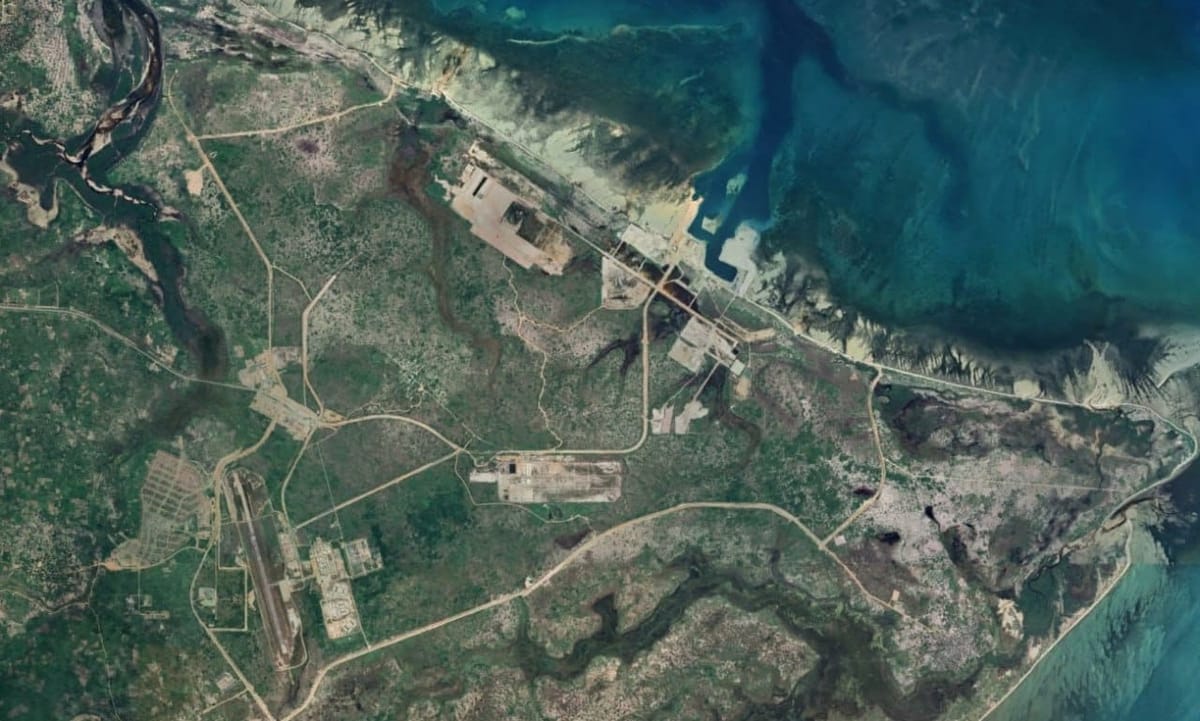
There were tough negotiations, too, along the road to Thursday’s FID by Eni. President Chapo proudly told the audience in Maputo — and the country at large — that his government had insisted on, and won, a domestic allocation of 25% of the gas produced by the Coral North platform, and 100% of the condensate, to be used as fuel for power generation.
SEE:
 Fernando Lima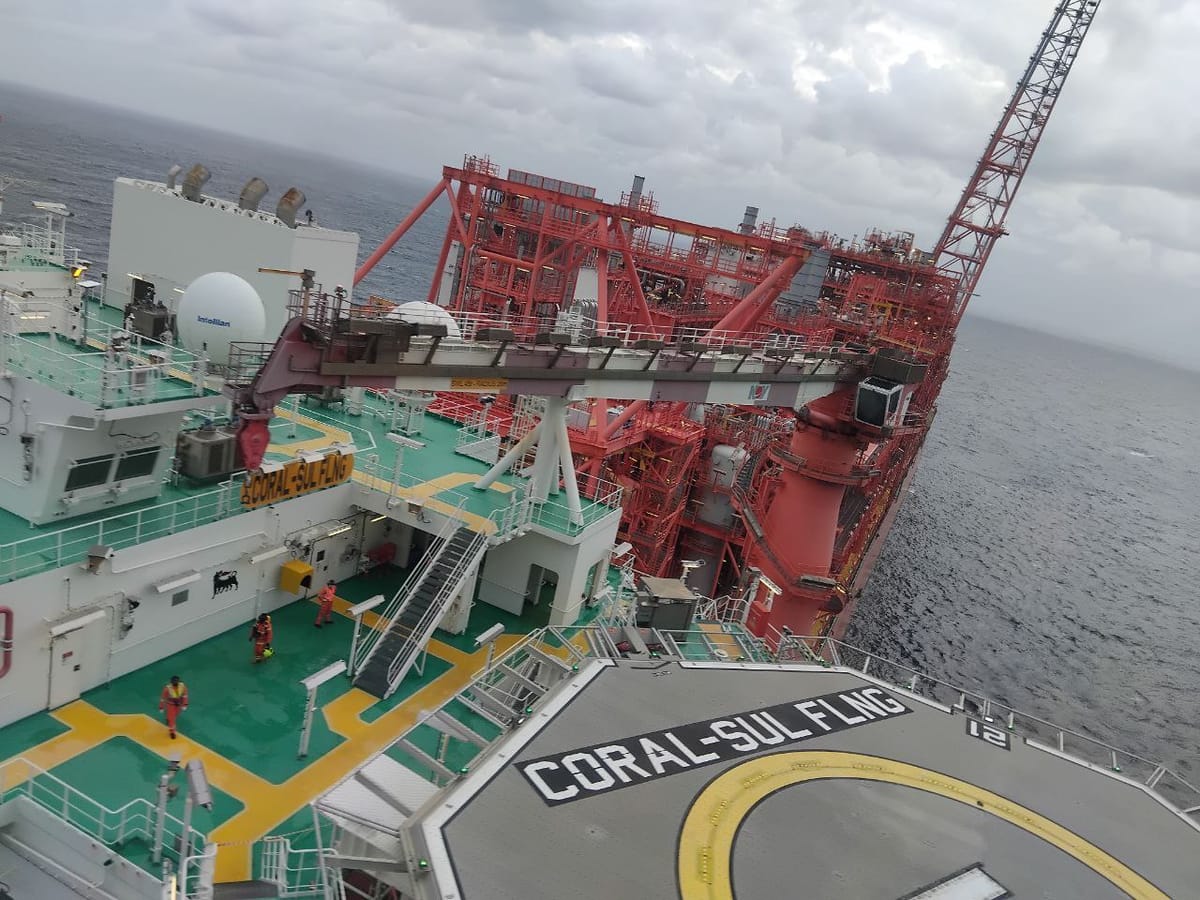
In pointed comments he thanked Eni for its respect for Mozambican law, and for concessions made on both sides in order to reach a rapid agreement — which also involves the company building a 75 megawatt (MW) gas-fired power plant at Temane, in Inhambane province, where Globeleq and Sasol are currently building a 450MW plant.
Whether gas or condensate actually reaches Mozambican industry and consumers is a moot point. Mozambique currently does not have the infrastructure to regasify LNG, and plans to build such infrastructure at Inhassoro and Beira sound unrealistic to industry experts, though plans are advanced for a regasification facility in Matola. But Mozambique can sell its part of the production for cash, in any case.
With FID for Coral North achieved, Chapo said on Thursday that the conditions are now in place for force majeure to be lifted on the TE-led Mozambique LNG project. TE apparently does not agree. At issue is $4.5 billion that TE says the shutdown has cost the project (see our detailed report linked above). How much longer will the company, and its consortium partners, be willing to continue a stalemate which is now being painted as a lack of respect for Mozambique and its rules?
The latest from Zitamar News:
 Zitamar News
From the Zitamar Live Blog: