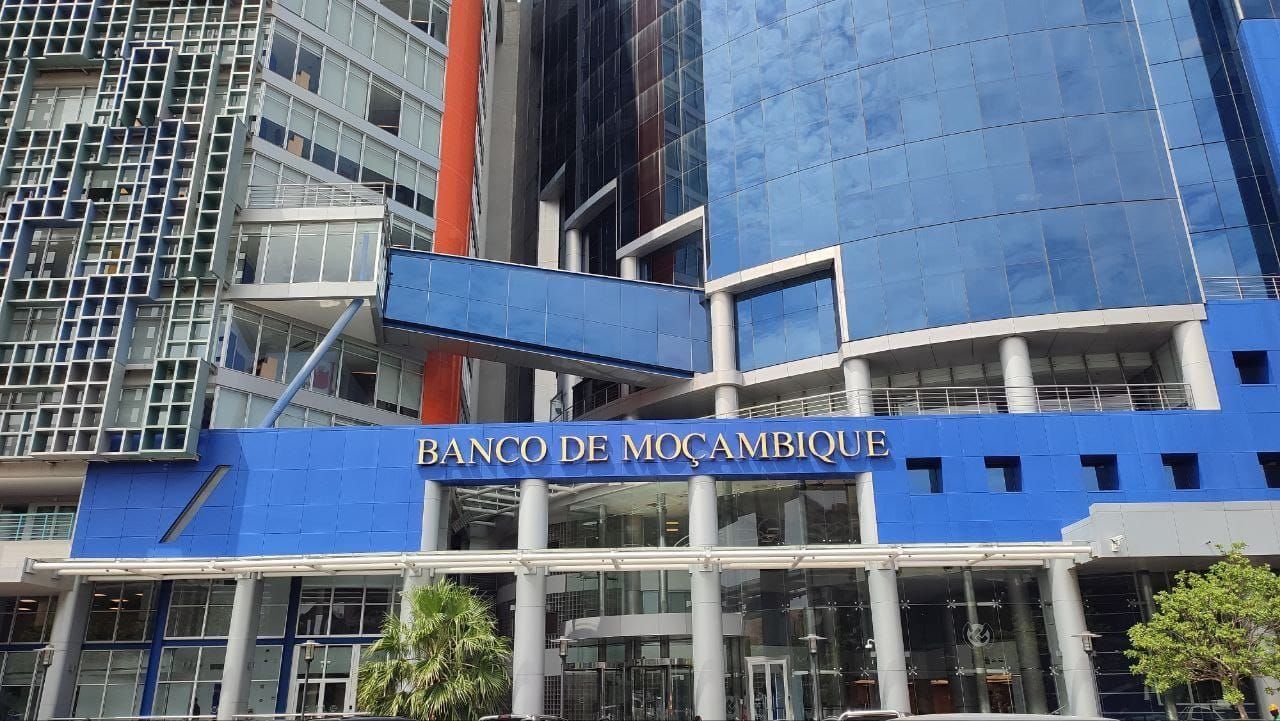
Good afternoon. As central bankers go, Rogério Zandamela has never lacked confidence in his own judgement. Speaking after what may prove to be his final Monetary Policy Committee meeting as governor, he used the occasion not simply to explain the Bank of Mozambique's latest decisions, but to defend the defining choices of his decade in office. He described personally ordering the rescue of Moza Banco in the absence of a legal framework, dismissed critics as people hiding behind "technicalities", and insisted that political leaders had given him the freedom to take difficult decisions without interference.
There is much in that record that deserves recognition. Zandamela inherited a central bank whose credibility had been badly damaged by the hidden debts scandal and a financial system facing an existential crisis. He rebuilt the Bank of Mozambique's authority as a regulator, imposed discipline on commercial banks and demonstrated a degree of institutional independence that remains unusual in Mozambique's public sector. Many governors would have found it easier to bend under political pressure. By his own account, successive presidents allowed him not to.
The full Daily Briefing continues below for Pro subscribers. Subscribers to the Zitamar News tier can read the top half, including the full leader article, here.
The latest from Zitamar News:
 Alexandre Nhampossa
 Zitamar News
But institutions exist to serve the economy, not the other way around.
That is where Zandamela's legacy becomes much more contentious. Throughout his tenure, the overriding objective was macroeconomic stability. Inflation was to be squeezed down, the metical held stable, and liquidity tightly controlled. Commercial banks were to be more closely supervised and more heavily sanctioned when they fell short of the regulator's sometimes unpredictable, and arguably self-serving, expectations.
Those policies undoubtedly delivered results. Inflation fell dramatically from the post-hidden debts crisis years, the exchange rate stabilised and confidence gradually returned to the financial system. But they came at a cost.
For much of the past decade, Mozambique has had some of the highest real borrowing costs in the region. Businesses repeatedly complained that credit was prohibitively expensive. Manufacturers argued that an artificially strong metical made imports cheaper while undermining domestic production. Farmers struggled to compete with imported food from more productive neighbours. At a time when the country needed investment and diversification, monetary policy often appeared designed first and foremost to avoid risk rather than encourage growth.