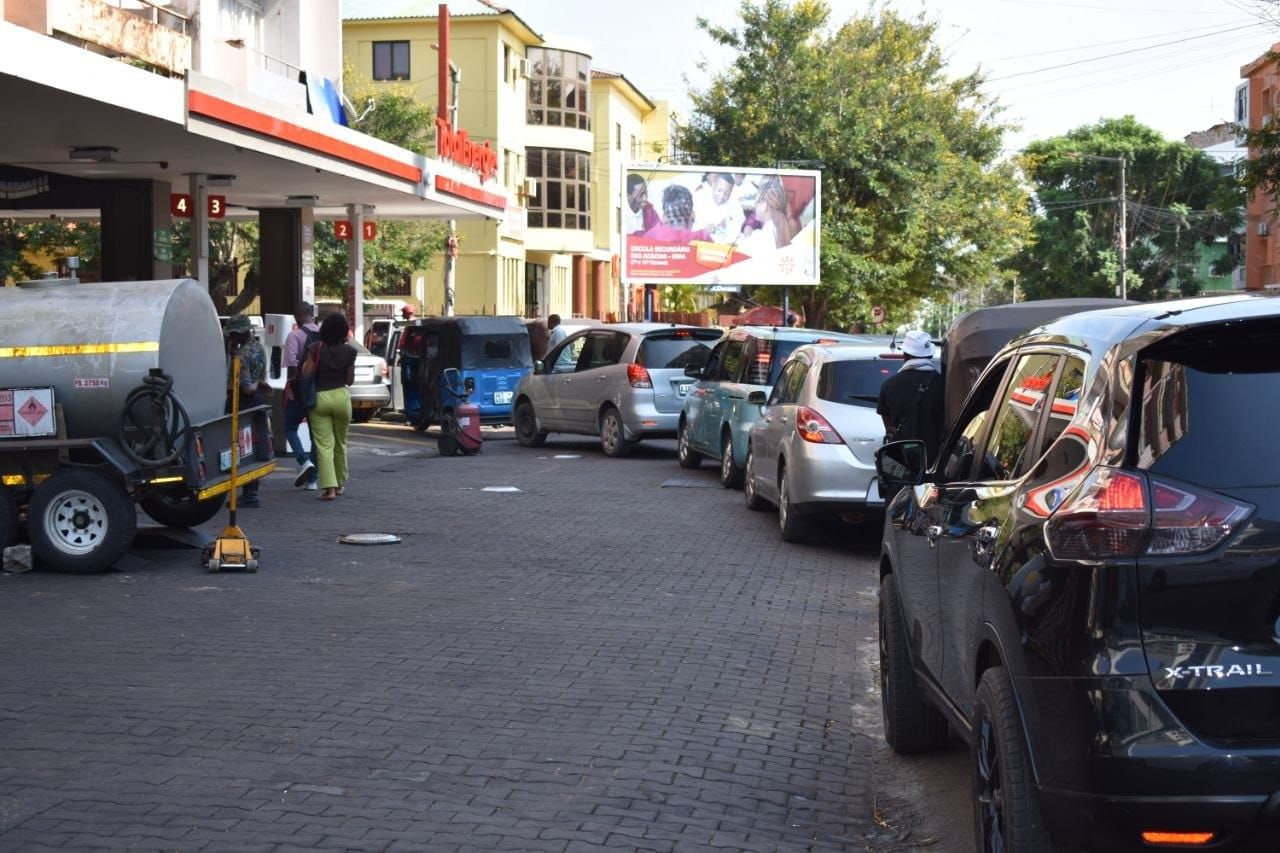
Good afternoon. The fuel shortages this week in Maputo and other cities may look like an inevitable symptom of the global energy supply shock caused by the US and Israeli attacks on Iran. But Mozambique's crisis is not quite what it seems. Beneath the surface, it is exposing a more fundamental constraint in the country’s economy.
At the heart of the crisis is a foreign exchange squeeze that is now biting into essential imports. Fuel distributors must secure bank guarantees, typically via letters of credit, in order to release fuel delivered to Mozambican ports. Yet commercial banks, facing a shortage of foreign currency, are struggling to provide those guarantees. The result is a bottleneck at the point where fuel should be entering the domestic market: cargoes arrive, but cannot be released at scale.
The full Daily Briefing continues below for Pro subscribers. Subscribers to the Zitamar News tier can read the top half, including the full leader article, here.
From the Zitamar Live Blog:


This is not a marginal technical issue. It is a systemic constraint. Mozambique’s import model, coordinated through Imopetro, effectively centralises risk: when financing fails, it fails for everyone at once. The system is efficient in normal times, but brittle under stress.
There is, of course, a broader context that cannot be ignored. Global fuel markets are under strain, with supply disruptions and geopolitical tensions tightening availability and pushing prices upward. Mozambique is not insulated from this. In a constrained global market, smaller and less liquid buyers inevitably find themselves at a disadvantage.