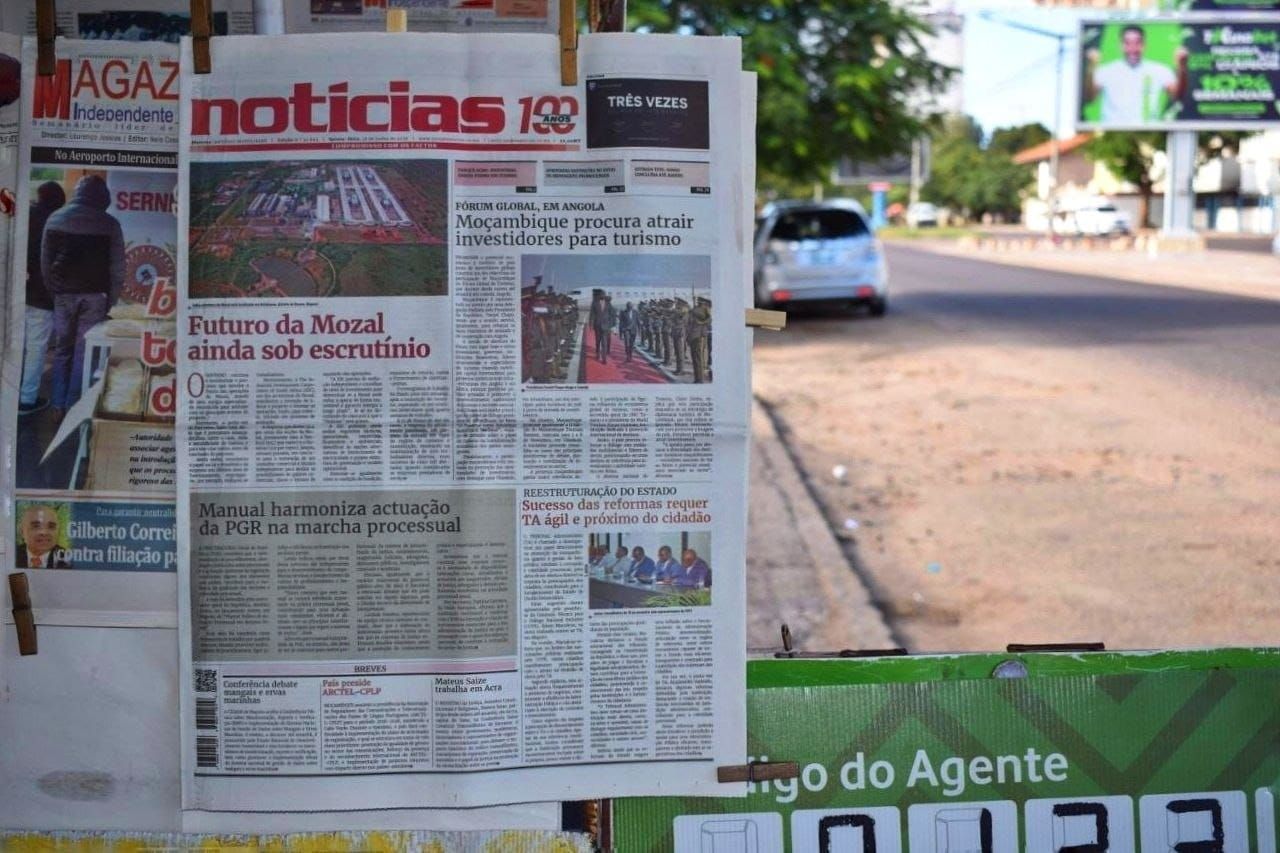
Good afternoon. The future of the Mozal aluminium smelter, if there is one, will depend on a structure that makes sense for the company, for Mozambique’s largest electricity generator the Cahora Bassa dam, for South African utility Eskom, and for the two governments trying to keep one of the region’s most important industrial assets alive.
Newspaper Evidências reported this week that the government has reached a preliminary understanding with South African stakeholders including Eskom and the Industrial Development Corporation (IDC), and Australian mining group South32, on a gradual reopening of Mozal, a new energy arrangement and a different shareholder structure. It says HCB and Eskom could be brought into the company, increasing the role of state entities in a project long dominated by South32 and South Africa’s IDC.
The full Daily Briefing continues below for Pro subscribers. Subscribers to the Zitamar News tier can read the top half, including the full leader article, here.
The latest from Zitamar News:
 Zitamar News
That idea has a clear logic. Mozal’s crisis was always about electricity. Aluminium smelting is one of the most energy-intensive industries in the world. South32 said the proposed tariffs would make Mozal uncompetitive, while HCB argued that some of the terms demanded would put its own financial sustainability at risk. Eskom was part of the old power model, but South Africa also has to decide how far it can go in supporting cheap power for a smelter outside its borders.
Bringing the power suppliers inside the shareholder structure might help solve that problem. If HCB and Eskom share in Mozal’s future profits, they have more reason to support a power arrangement that keeps the smelter running. It would turn a dispute between power sellers and an aluminium producer into a regional industrial bargain.