Hello and welcome to the Zitamar Conflict Newsletter, our weekly digest of developments in northern Mozambique, with a particular focus on Cabo Delgado.
It has been an intense week. Mozambican and Rwandan forces launched a major offensive in Macomia district, insurgents ambushed a convoy on the N380, and President Daniel Chapo signalled a shift in the government's military strategy.
The biggest conflict incident was probably the joint Mozambican-Rwandan operation to retake the Catupa base in Macomia district, which has been outside government control since January. According to Zitamar sources, the operation began around 27 June, five days after insurgents overran the nearby Namabo military position. The Mozambican and Rwandan militaries responded with helicopter strikes and a ground attack on the Catupa base, as well as an increased presence along the Macomia-Mucojo road.
We reported the incident first on our dedicated Conflict Incidents channel on Telegram, and then through the Zitamar Daily on Wednesday:

 Zitamar News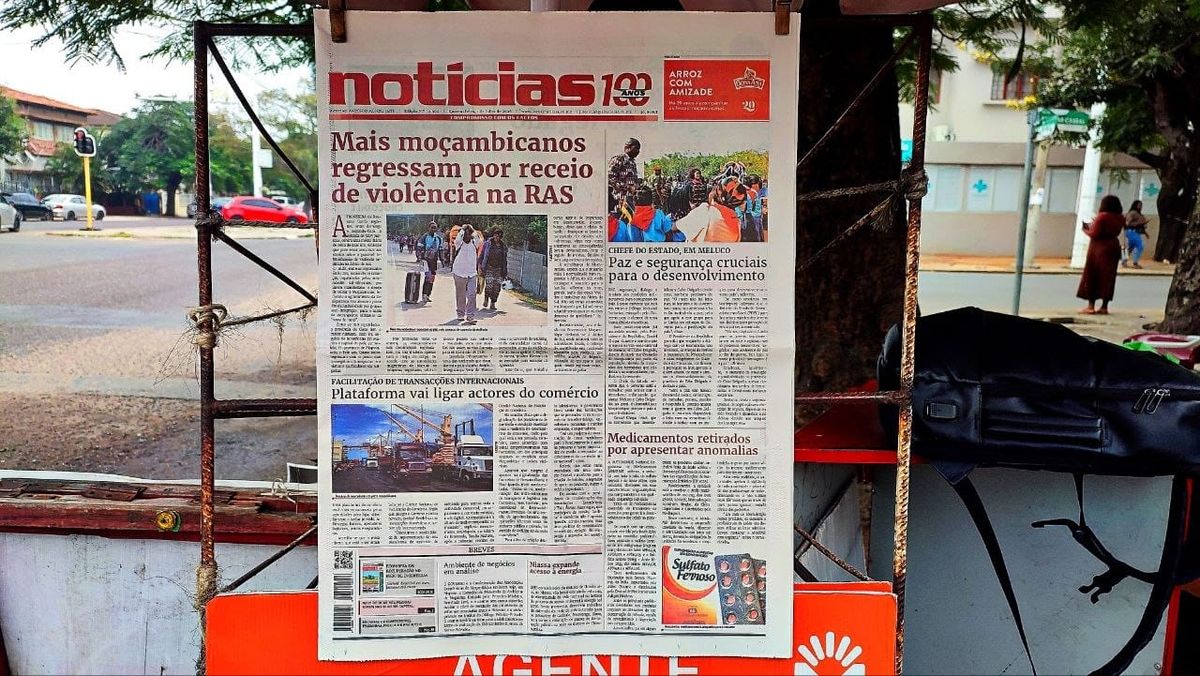
Meanwhile, Islamic State Mozambique has resumed targeting traffic along the N380, the strategic road linking Sunate (also known as Silva Macua) and Awasse.
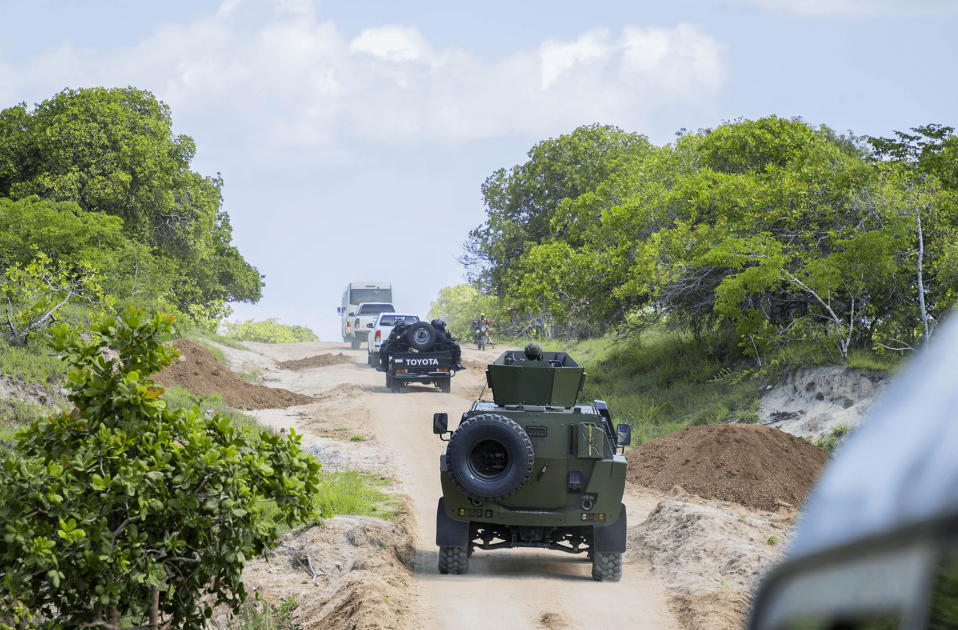
On Thursday, insurgents ambushed a military-escorted convoy on the stretch between Antadora and Chitunda, near the border of Mocímboa da Praia and Muidumbe districts. The attackers opened fire as the convoy entered the area, prompting an exchange with the military escort and causing the convoy to scatter.
 Zitamar News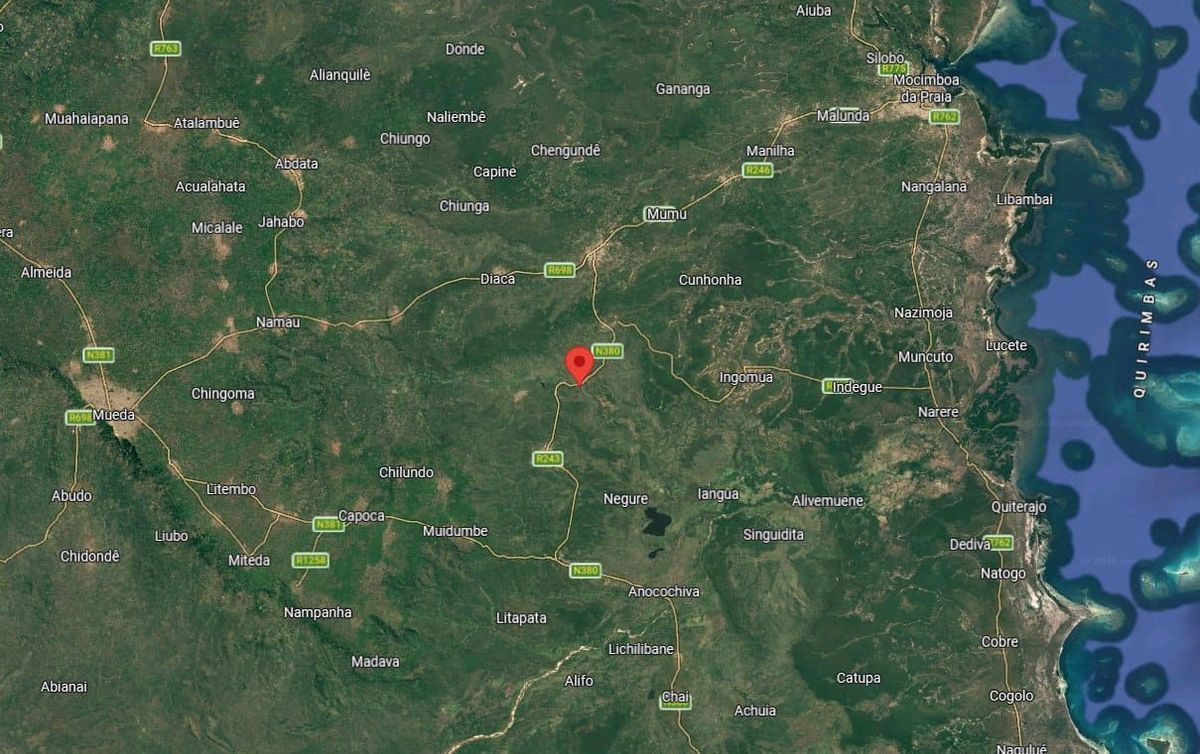
Elsewhere, a man was killed by unidentified attackers on Thursday morning while working in a field near Saca, between Metoro and Silva Macua in Ancuabe district, according to local sources. The victim was with his wife when they were confronted by the attackers. Although residents initially suspected insurgents were responsible, Zitamar has not been able to confirm this independently.
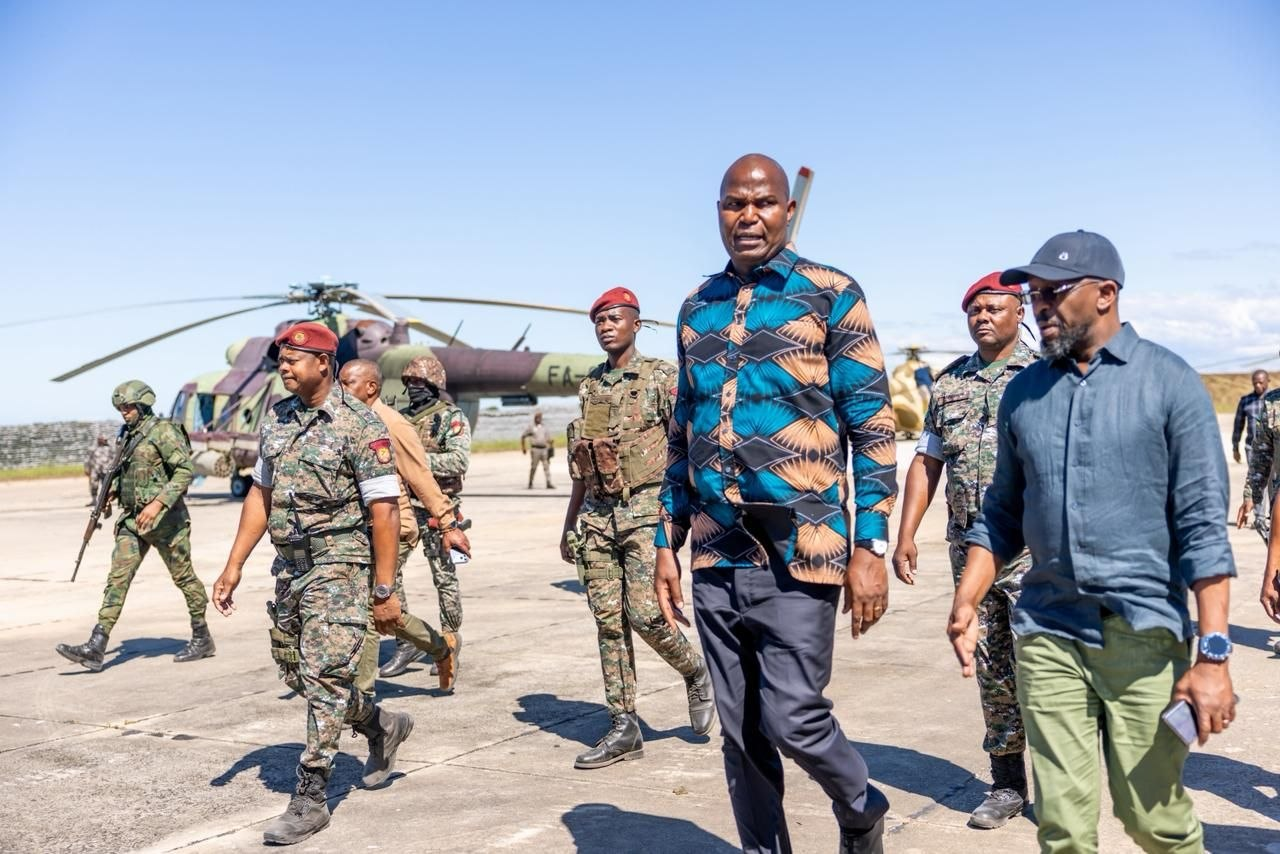
President Daniel Chapo visited Cabo Delgado this week, and announced that the headquarters of the Northern Operational Theatre (TON) will be relocated from Pemba to Mocímboa da Praia, placing military command closer to the main operational areas of Palma, Macomia and Quissanga.
 Zitamar News
Chapo said the move would enable faster responses to insurgent activity and improve operational coordination. He also pledged continued investment in military infrastructure, logistics, equipment and training. Although it remains unclear when the command headquarters was previously moved from Mueda to Pemba, the latest relocation suggests the government is placing greater emphasis on securing the northern corridor, including the area surrounding the LNG projects.
 Zitamar News
A new report by ACLED, published on 26 June under the Mozambique Conflict Monitor project in partnership with Zitamar, argues that Islamic State Mozambique is consolidating control over an enclave stretching more than 100km along Cabo Delgado's coastline and up to 50km inland. The area extends from Mocímboa da Praia to Quissanga, bounded by the N380 to the west and the Indian Ocean to the east.
The report argues that, under commander Farido Sulemani and spiritual leader Ulanga, the group has shifted since 2023 from indiscriminate violence towards a strategy of coercive control over predominantly Muslim Mwani communities. This includes preaching, restricting movement through roadblocks, and securing supplies, while continuing violent attacks and resource extraction in southern districts.
It identifies the N380 as the enclave's western frontier, where ransom-style extortion of travellers has become an increasingly important source of revenue—a pattern that closely mirrors this week's convoy ambush. The report warns that continued attacks on civilians, coupled with an ineffective state response, risk further eroding public confidence in the government. It also cautions that perceptions that the Mozambique LNG project is better protected than surrounding communities could undermine the project's social licence to operate.

President Chapo continued his travels north from Cabo Delgado to Tanzania on 2 July, as guest of honour at the 50th Dar es Salaam International Trade Fair (Saba Saba), at the invitation of President Samia Suluhu Hassan.
Presented as a mission to strengthen economic diplomacy, the visit formally focused on trade, investment and regional integration, but appears to have included plenty of face-time with President Suluhu which likely focused on the Islamist insurgency just across Tanzania’s southern border. Tanzania maintains a deployment in the district of Nangade, which Chapo will be keen to ensure is there to stay.
 Zitamar News
That's all for now; watch this space, as well as our Telegram channel and the Zitamar Daily Briefing, for further updates.