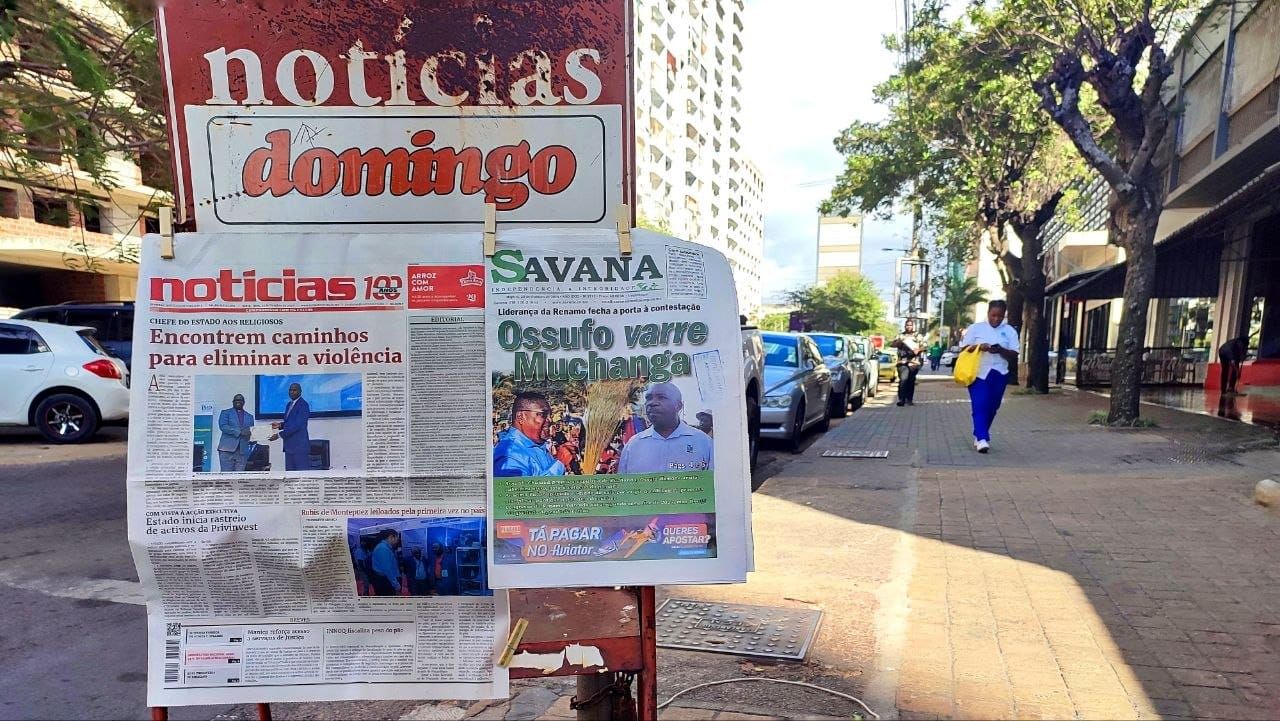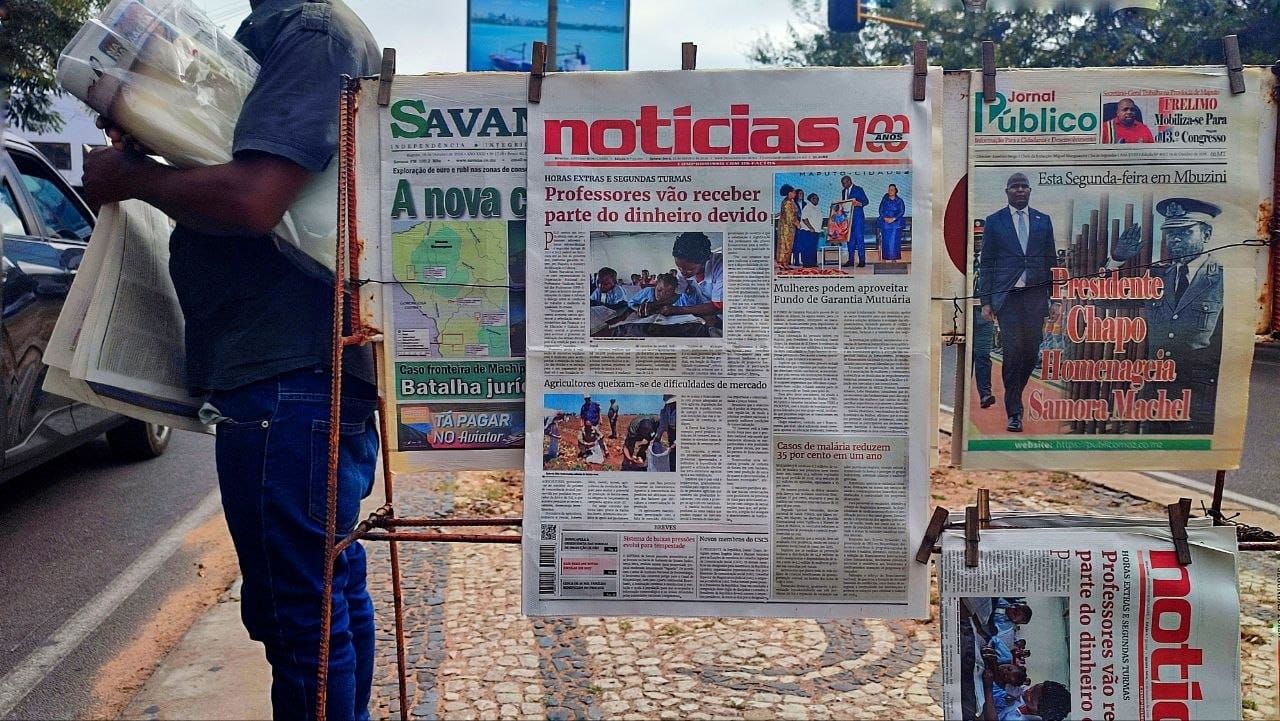
Good afternoon. The former Frelimo politician Gilberto Mendes is understood to be unhappy at the fact that his name appears in today’s edition of newspaper Savana, in the headline of an article talking about people in debt to the state over the privatisation of state-owned businesses. Mendes’ business is one of 130 which, according to a state agency, has still not paid the full price that was agreed to acquire assets, in this case a former cinema which now functions as a theatre. Mendes himself claims that he invested some money in the theatre which needs to be accounted for in the sale price. The total sale value of the businesses where money is owed is nearly MZN896m ($14m), according to Savana, most of which seems to be unpaid, and which has also accumulated interest over the past 35 years or so. Another example is the printing company Cegraf, bought by Hermenegildo Gamito and Lucas Chachine, who went on to become president of the Constitutional Council (the highest court dealing with constitutional matters) and the chairman of mobile network operator Vodacom, respectively. There is still nearly MZN2.7m ($42,000) owed on that sale, according to Savana.
The full Daily Briefing continues below for Pro subscribers. Subscribers to the Zitamar News tier can read the top half, including the full leader article, here.
From the Zitamar Live Blog:


It is scandalous that, in a country where children sit on the ground and study under trees because there is no money for desks or classrooms, this money remains uncollected by the state year after year and decade after decade. Needless to say, the people who owe the money tend to be elites of ruling party Frelimo with friends in high places. They were already offered heavily discounted prices for the assets when they were privatised, and in many cases they only paid a small fraction of that price. Today, they parade around in sharp suits and expensive cars, but their apparent wealth is built on debt. Efforts to collect the debts are variable, and may depend on who owes money and how many friends they have in government at any moment. Publicity is also a factor. Some debtors, like the husband of former prime minister Luisa Diogo or like former president Armando Guebuza, are thought to have paid up in order to avoid having their name mentioned in media coverage of the debts (although in Guebuza’s case, his debt was actually paid by a friend).