By Alexander Abdelilah and Mariana Abreu
Mozambique Exposed is an international investigation consortium coordinated by Forbidden Stories, including Evident Media (United States), Expresso (Portugal), M28 Investigates (Rwanda), The Observers of France 24 (France), Papertrail media (Germany), RFI (France), SourceMaterial (United Kingdom), ZDF (Germany), and Zitamar News (Mozambique)
It is a country largely overlooked by Western media. Yet, Mozambique is a place of extremes like few others. Home to a proliferation of mega-projects by major oil and gas companies, it is also the scene of a conflict that has already claimed more than 6,000 lives and displaced over a million people, as the Mozambican state battles insurgents from the Islamic State-affiliated Al-Shabab. It is the fifth-poorest country in the world.
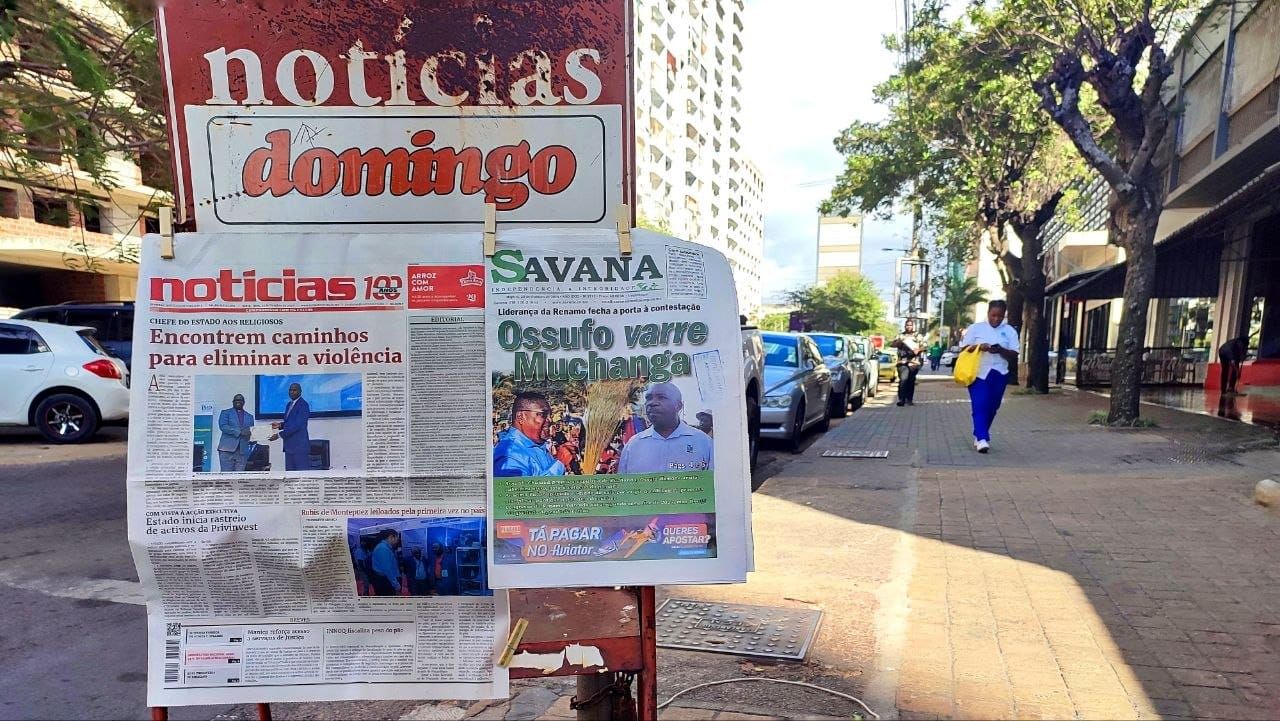
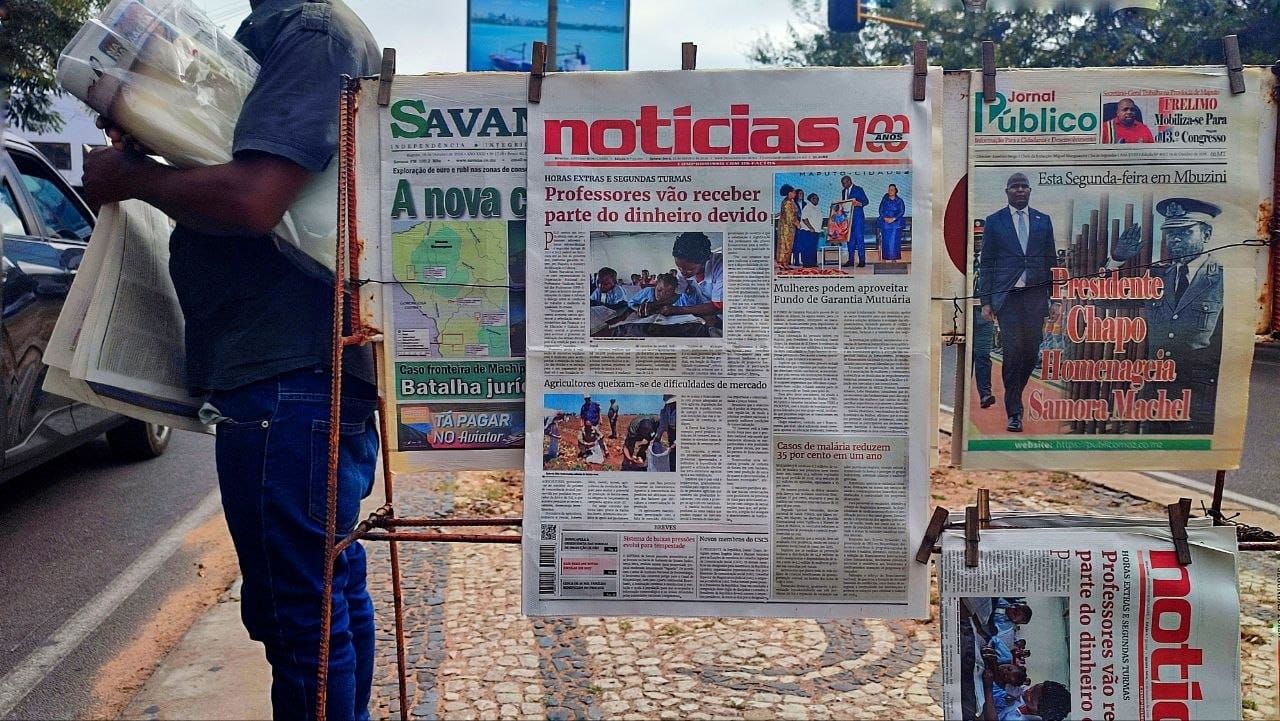
The same party has ruled unchallenged for half a century, and the last general elections in October 2024 were heavily disputed by the opposition and criticized by international observers, sparking a popular uprising. Since then, repression has intensified across the country, with opposition members and journalists continuing to face attacks amid widespread impunity.
“Attacks on journalists are not addressed. There’s zero accountability and complete impunity,” said Angela Quintal, Africa regional director for the Committee to Protect Journalists, or CPJ.
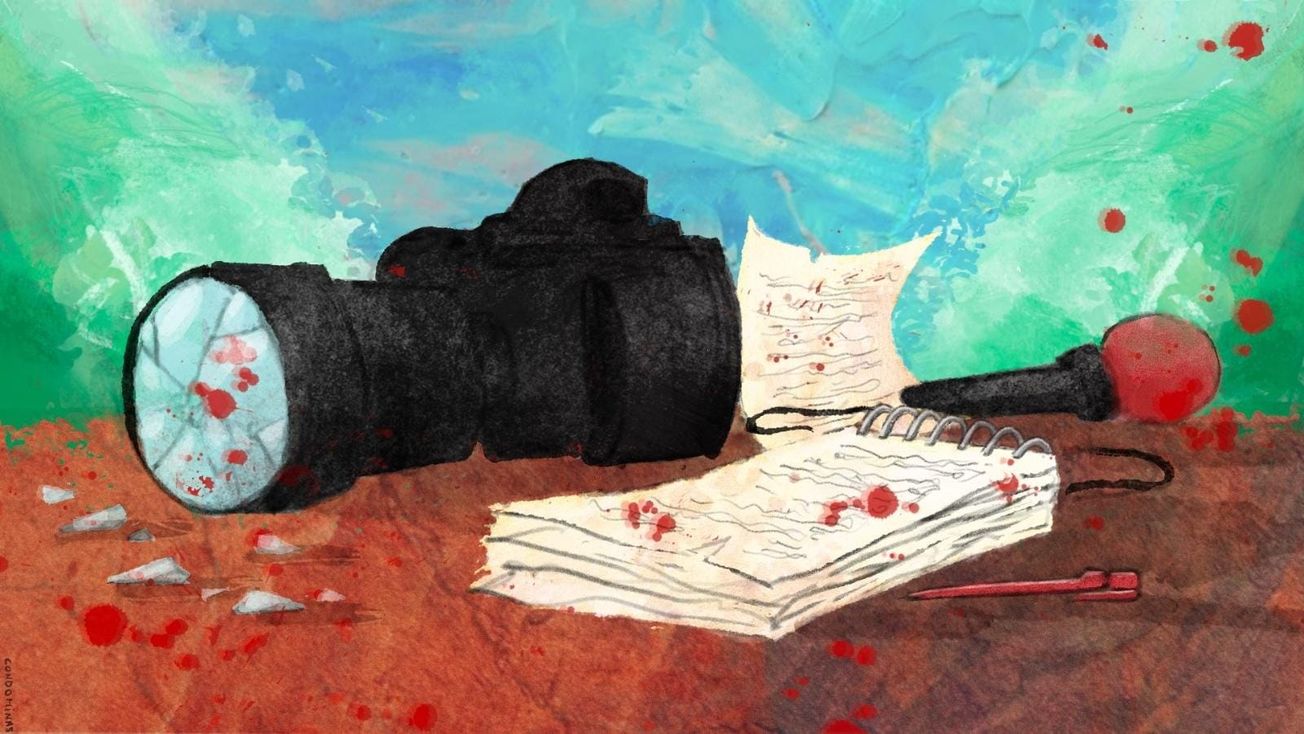
The list of unsolved cases involving journalists is staggering. Ibraimo Mbaruco, a reporter and presenter for Rádio Comunitária de Palma, sent a text message to a colleague on April 7, 2020, saying he was “surrounded by soldiers,” before disappearing without a trace. João Chamusse, editor-in-chief of the online newspaper Ponto por Ponto, was found dead at his home in KaTembe on December 14, 2023, his head wounded and his phones and computer stolen. He was known for his scathing editorials on corruption and poor governance. In December 2024, police shot and killed Albino Sibia, a 30-year-old blogger, while he was covering a protest live on Facebook, in the southern city of Ressano Garcia. Arlindo Chissale, a reporter for the online media outlet Pinnacle News and a member of the opposition, was dragged off a minibus between Pemba and Nacala on Jan. 7, 2025, by five armed men, two of whom were in police uniform. His body was never found. Selma Inocência, a television journalist, reported that she was poisoned with heavy metals — including mercury, cadmium, uranium and thallium — during a work trip to Maputo in March 2025, and now lives in Germany with lasting health problems.
As the cases pile up, the authorities do little to nothing. Although the police arrested a man who reportedly confessed to Chamusse’s murder, they did not deem it necessary to investigate who may have orchestrated the killing. No charges were made public following Sibia’s death or Inocência’s poisoning, nor after the disappearances of Chissale and Mbaruco: both community journalists, both abducted by men in uniform, according to witnesses, and both active in Cabo Delgado, a region in northern Mozambique where Al-Shabab operates.
“There have been no credible, thorough, impartial investigations on both cases,” said Carlos Quembo, researcher at Amnesty International. “And it’s unfortunate that the case of Ibraimo Mbaruco is closed without any explanation as to what happened.” For Arlindo Chissale, the authorities say they are investigating, but haven’t communicated on developments.
The situation is most concerning in Cabo Delgado, where the authorities are attempting to impose a media blackout on the conflict. “The media haven’t really been able to cover the situation properly. Local journalists who attempt to do so are being targeted,” Quintal told Forbidden Stories.
“The current system further closes the civic space in Mozambique,” said Wilker Dias, director of the NGO DECIDE, which specializes in supporting civil society. He claims to have been poisoned during a stay in Maputo in 2024. The rare reporters who have ventured there, including Estácio Valoi and Alex Perry, have been attacked, threatened or expelled.
According to a journalist at Zitamar News, one of Forbidden Stories’ partner publications, “the authorities are not transparent about what is actually happening in the province,” and adequate security conditions are not in place for the press. “In many cases, public and private institutions do not cooperate with journalists,” said the journalist. Forbidden Stories observed this reluctance firsthand: few NGOs agree to collaborate with the press, fearing reprisals from the authorities.
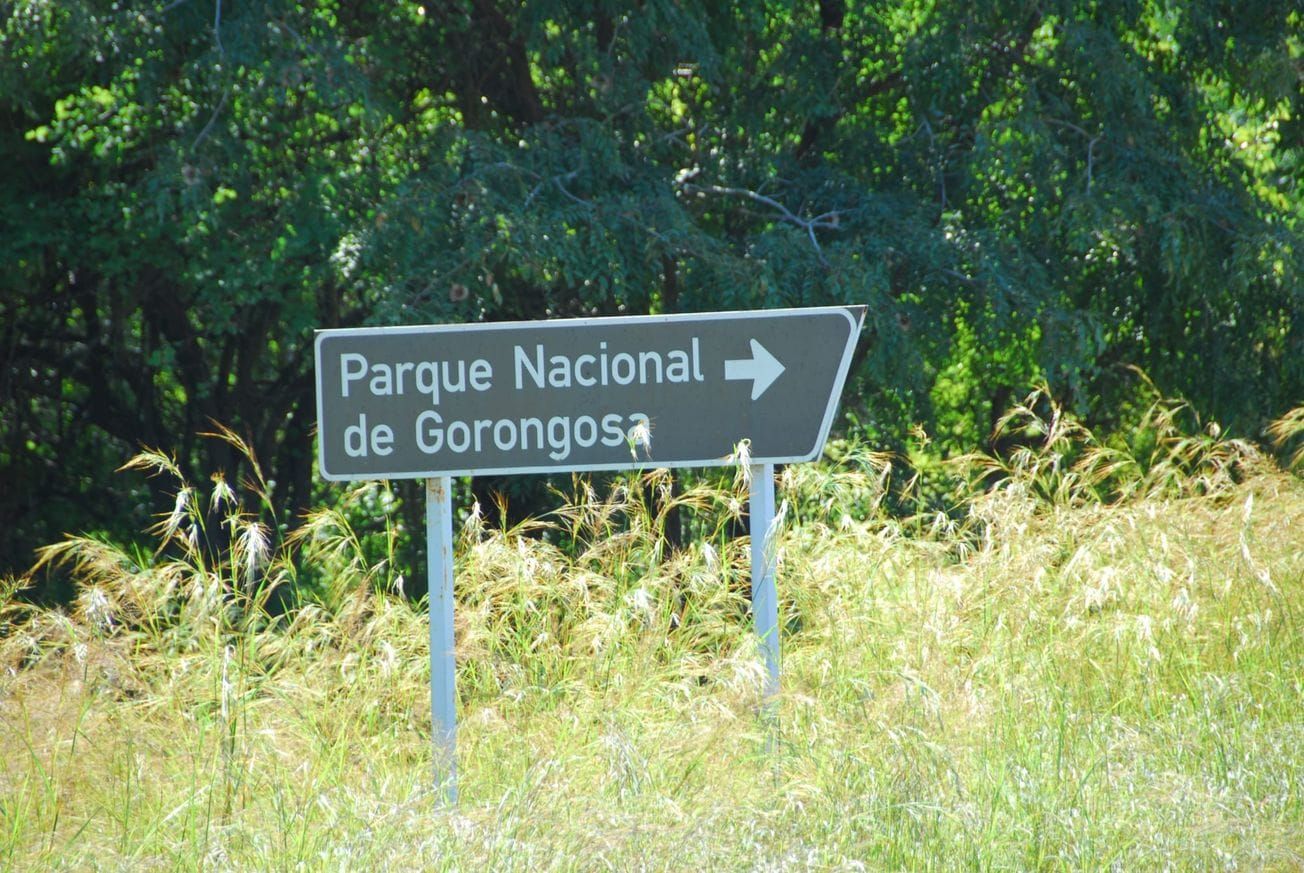
To break this silence, Forbidden Stories is publishing “Mozambique Exposed”: the culmination of nearly 100 interviews and five months of work by 10 media outlets and 30 journalists. Part of the consortium traveled to Cabo Delgado to interview victims of the conflict, who have also experienced the collateral effects of the major gas projects reshaping the northeast coast of their traumatized region. Forbidden Stories worked alongside partners to reveal the inner workings of the machinery designed to silence opponents and journalists in the country. Further investigations will follow. “Often, foreign journalists have more freedom and security in covering these topics than local professionals,” said the journalist at Zitamar News. “It is important that the international media continue to show solidarity with Mozambican journalists.”