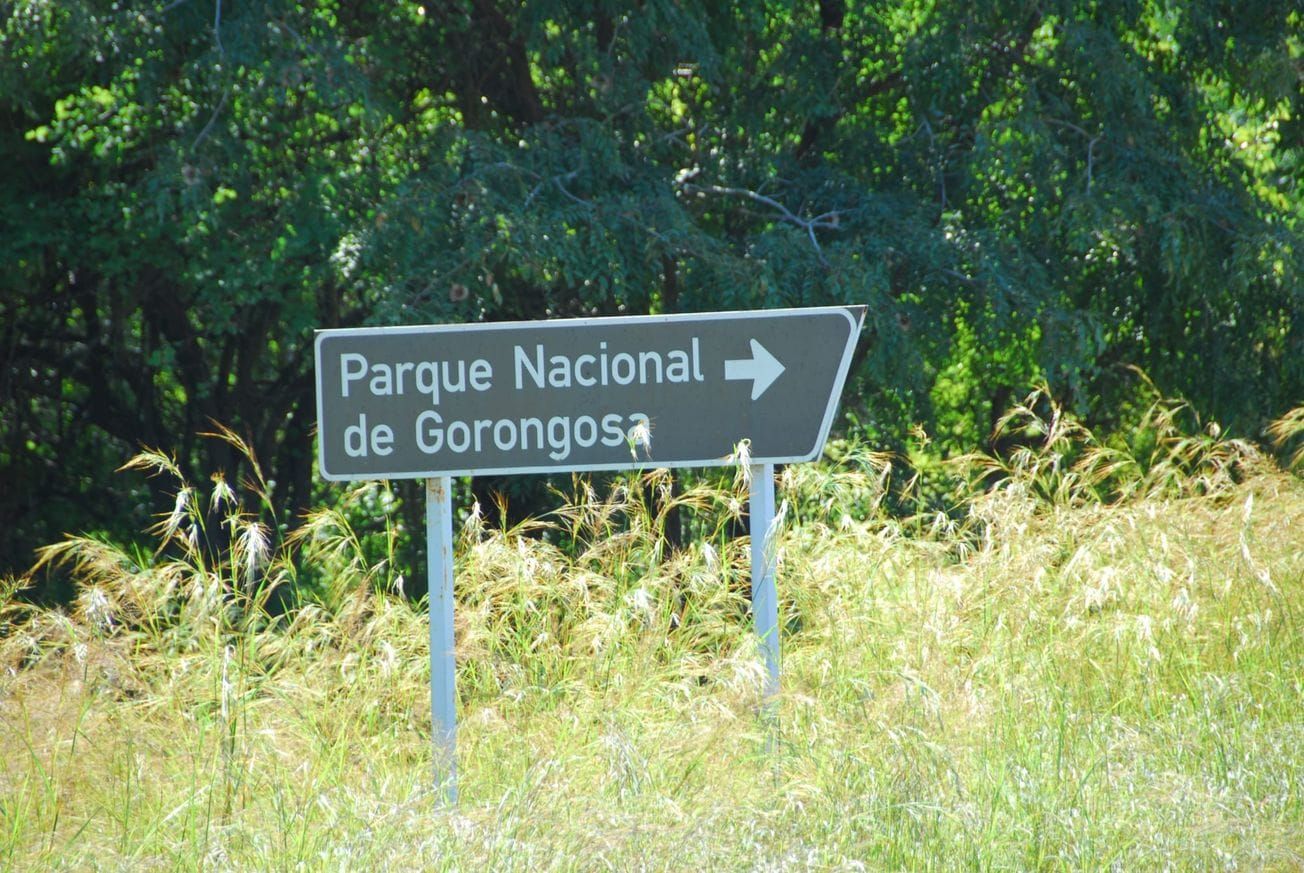
Good afternoon. The row over the Niassa Special Reserve should be read as more than a provincial secretary of state losing discipline. Silva Livone’s threats against operators and the Wildlife Conservation Society (WCS) are the most visible sign of a wider change in Mozambique’s politics of conservation: protected areas are increasingly being spoken of as obstacles to development, mining and local control, rather than as national assets requiring careful management.
Human-wildlife conflict is real. Communities around Niassa have legitimate grievances when elephants destroy crops, crocodiles kill people, or conservation rules restrict livelihoods. Any serious conservation policy has to take those grievances seriously.
The full Daily Briefing continues below for Pro subscribers. Subscribers to the Zitamar News tier can read the top half, including the full leader article, here.
 Zitamar News
But those grievances are now being raised in a political climate where conservation areas may be vulnerable to “redimensioning”, informal mining (garimpo), and formal mining interests. The new mining law adds to those concerns by creating more scope for extractive activity in protected areas. Niassa already has illegal mining inside the reserve. Weakening conservation management would not necessarily benefit communities. It could benefit those who want protected land opened to extraction.
Livone’s statement shows how this mood can translate into action. He did not simply call for better community engagement or faster responses to dangerous wildlife. He declared operators banned, ordered security forces to occupy areas, threatened seizure of equipment, and said WCS representatives should be removed from Niassa. He then acknowledged that final authority rests with the minister and central government.