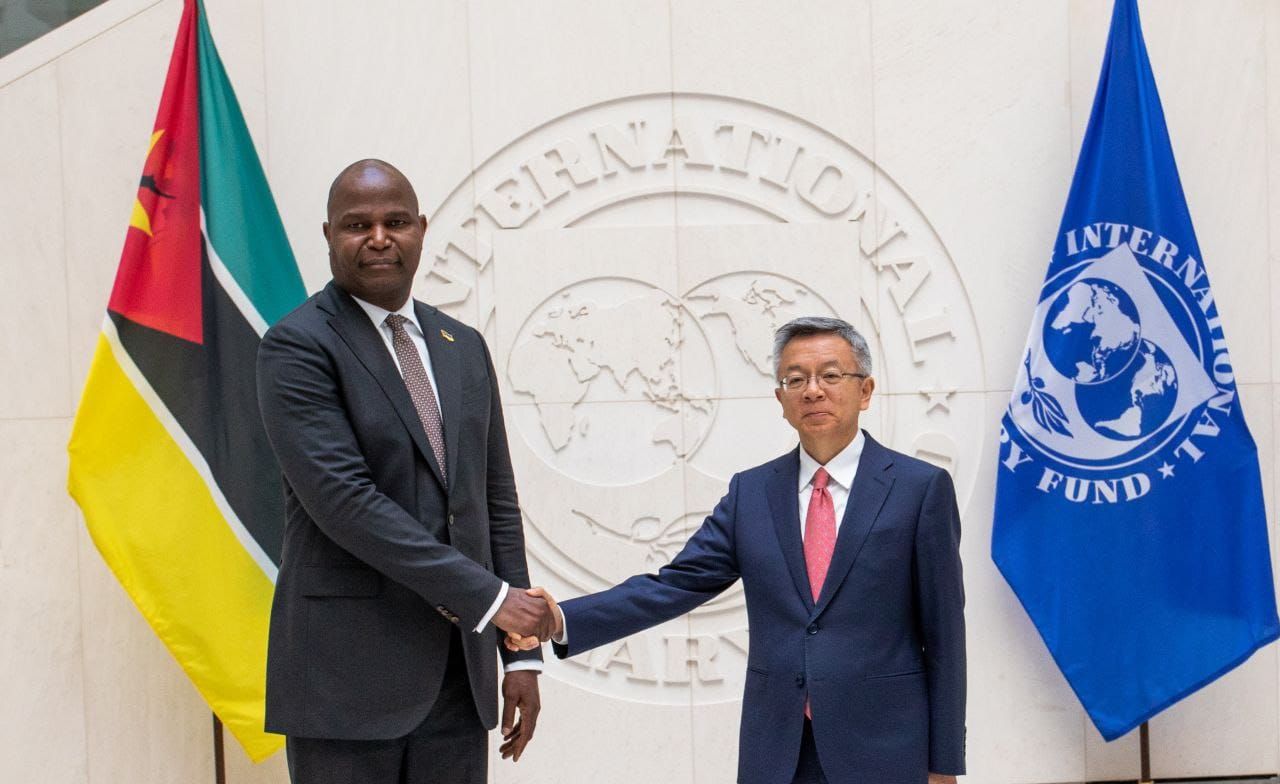
Good afternoon. How to win back an estranged lover? The Mozambican government is not opting for perfume or chocolates, but instead the unromantic hiring of a financial advisory firm. The “lover” in question is the International Monetary Fund (IMF), which broke up with the government in April by suspending its interest-free loan programme. And they are visiting Mozambique in November to see about starting a new one.
As much as the government may want to portray that as a new administration asserting itself and wanting to change the conditions attached to the loan, the fact is that the IMF left the government, not the other way round (even if the IMF allowed the government to formally suspend the programme to save face). The government desperately needs that loan, partly because it struggles to pay its debts (debt service and public sector wages account for almost 90% of the state budget, and the proportion is increasing), and partly because of the credibility it will gain from investors and other funders as a result. The main reason the loan was suspended was because the government was drifting further and further away from the conditions attached to the loan, such as on reducing the size of the wage bill.
The full Daily Briefing continues below for Pro subscribers. Subscribers to the Zitamar News tier can read the top half, including the full leader article, here.
For all that President Daniel Chapo and his ministers may want to present themselves as imposing a new agenda, the fact is that they will have to agree to deliver quite similar outcomes to the previous IMF loan deal if they are to get a new loan. That means cutting the wage bill as a proportion of GDP, and increasing tax collection, including, probably, by removing exemptions on VAT.