Good afternoon. Mozambique’s LNG projects are ramping up, as evidenced by a rash of procurement notices, supplier calls and preparatory contracts issued this week, as we report today. Sometimes, the news is in the ads.
The pattern is more important than any single notice. TotalEnergies’ Mozambique LNG project is preparing work at Afungi, while Mozambique Rovuma Venture, operator of Area 4, is also becoming visibly more active. That matters. For much of the public discussion around Cabo Delgado, the question of a restart has centred on TotalEnergies. The latest notices suggest Rovuma LNG is also beginning to swing into action.
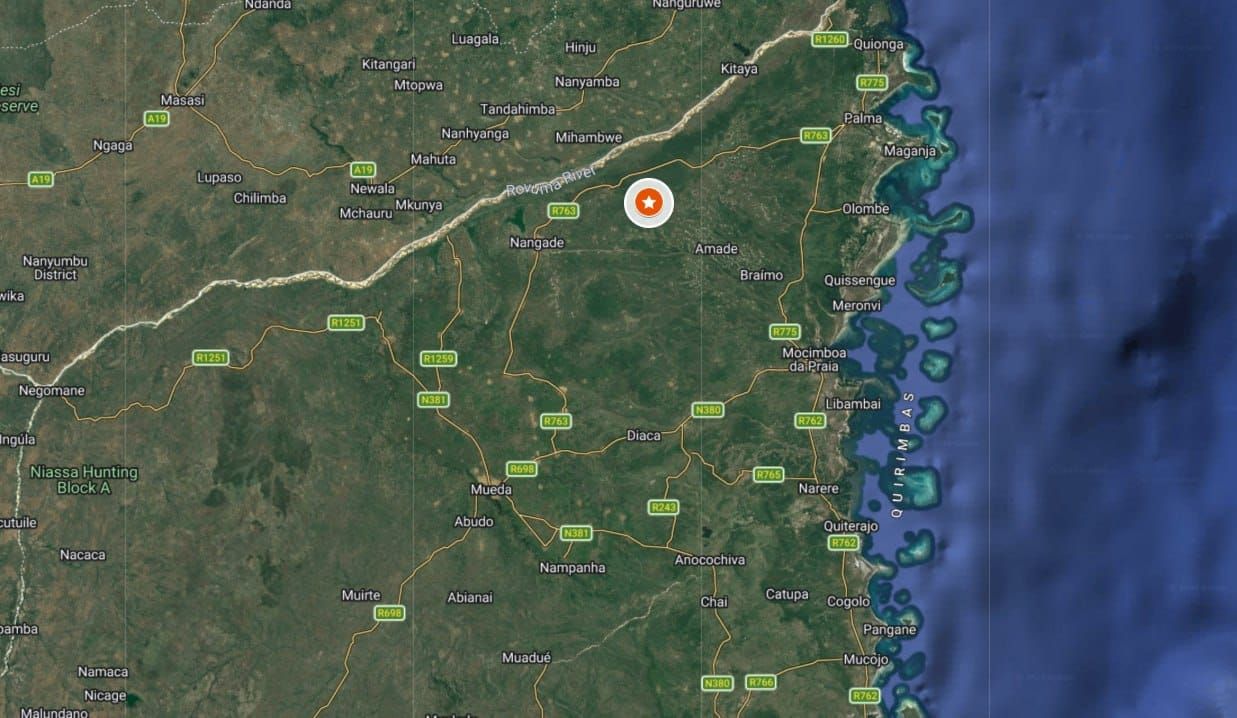
That is welcome for Mozambique, if renewed mobilisation brings work, local contracts, tax revenue and wider economic activity. But Cabo Delgado has not become a simple operating environment while the gas companies were away. Zitamar sources in Quissanga report repeated insurgent movements through the district since early June, suggesting armed groups are using the area as a corridor toward positions in Macomia while taking food from agricultural zones. The same province that hosts Mozambique’s largest investment projects remains an active conflict zone.
 Tom Bowker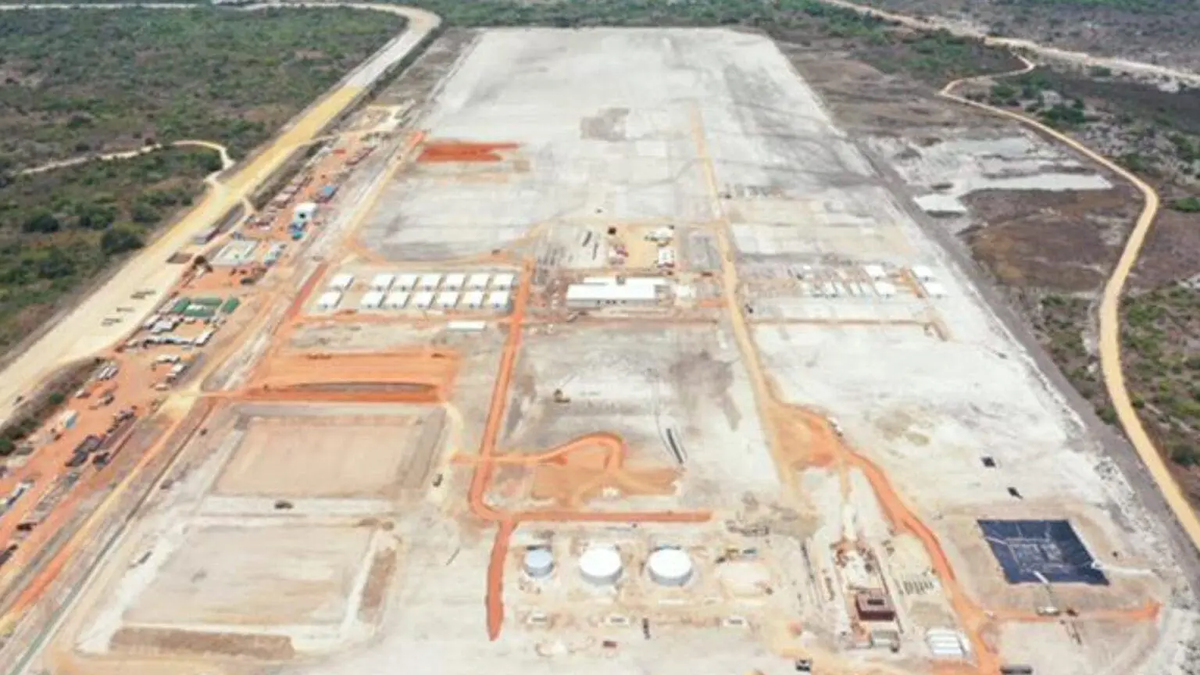
 Zitamar News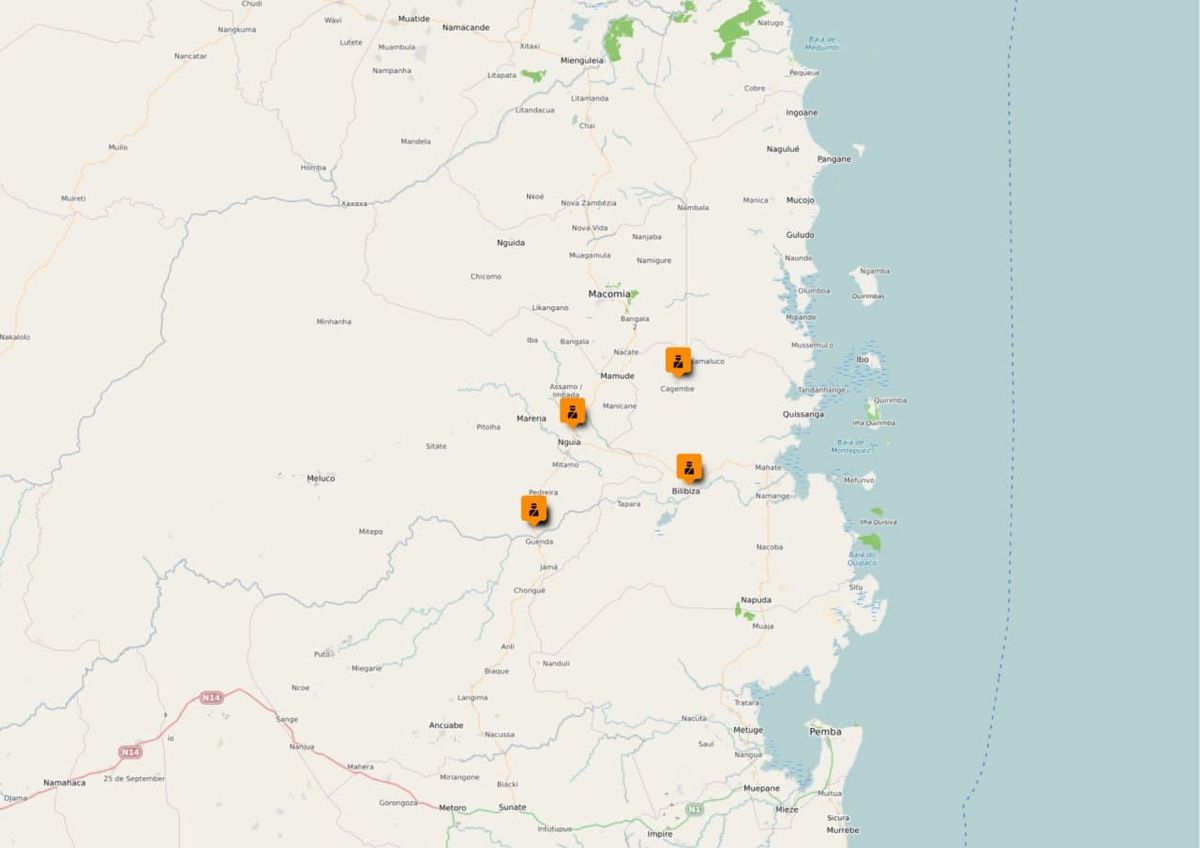
The risks are wider than the battlefield. This week, Zitamar and Forbidden Stories reported on an unpublished UN report and interviews alleging sexual exploitation by workers linked to the TotalEnergies-led project and sexual violence by Mozambican soldiers in Cabo Delgado. The allegations are serious, and contested by those implicated. They are also a reminder that restarting LNG requires scrutiny of communities, contractors, security forces and grievance systems, not just construction schedules and security perimeters.
 Zitamar News
Mozambique needs the economic momentum that LNG can bring. Cabo Delgado also needs transparent information, accountable security, careful local-content management and serious attention to communities living around the projects and along insurgent routes.
For that reason, Zitamar will now begin sending periodic Cabo Delgado conflict updates through a dedicated newsletter. Readers who want to receive them can sign up by clicking Account in the top right of zitamar.com, hitting Manage next to Emails, and turning on the Zitamar Mozambique conflict updates newsletter. The fortnightly Mozambique Conflict Monitor update, produced alongside global conflict monitoring organisation ACLED, will also be sent through that list.
The contracts are starting to move. The conflict is moving too. We will be watching both.
Agenda:
- Today: Mozambican delegation led by Finance Minister Carla Loveira participates in annual meetings of the Islamic Development Bank Group
- Tomorrow–Monday: Anamola’s National Convention, at which the party leader will be elected, with Venâncio Mondlane as the sole candidate
Also in the news:
- CTA warns business climate is worsening (AIM, Diário Económico, Evidências, MZNews, O País)
- Development bank urged to focus on productive investment (Diário Económico, Diário Económico, Diário Económico, AIM, MZNews)
- Fifteen Ethiopians intercepted in Zambézia (Folha de Maputo, Notícias)
- Four injured as police disperse Mondlane supporters in Nampula (AIM, Lusa)
- Mining industry warns new ownership rules may deter investors (Reuters)
CTA warns business climate is worsening (AIM, Diário Económico, Evidências, MZNews, O País)
Mozambique’s Confederation of Economic Associations, the CTA, says the business environment deteriorated in the first quarter of 2026, with its Macroeconomic Environment Index falling from 62% in the fourth quarter of 2025 to 55%. CTA said floods, foreign currency shortages, fuel supply constraints and uncertainty were weighing on business activity, despite signs of macroeconomic stability. It called for structural reforms to improve competitiveness, including better access to finance, modernised infrastructure, administrative simplification, greater foreign-currency availability and payment of state arrears to companies.
The CTA’s warning, which is in line with other recent pessimistic outlooks for Mozambique’s economy, underlines the gap between macroeconomic stabilisation and conditions facing businesses on the ground. With growth barely positive, forex scarce and state arrears still weighing on cash flow, the private sector is not yet feeling a real recovery.
Development bank urged to focus on productive investment (Diário Económico, Diário Económico, Diário Económico, AIM, MZNews)
The Development Bank of Mozambique (BDM) should complement commercial banks rather than compete with them, participants in a Maputo debate organised by Moza Banco said. Speakers argued that the bank should provide long-term finance for strategic sectors and projects that are difficult to fund through normal commercial lending. Carlos Arruda, of the Dom Cabral Foundation, said the bank should fill gaps in the financial market, while BDM executive committee chairman João Macaringue said the institution was created to support productive investment and the structural transformation of the economy.
The question remains of why a new institution is necessary when Mozambique already has a National Investment Bank (BNI) with a very similar development-finance mandate. If the problem is the lack of long-term finance for productive investment, the government needs to explain whether the new BDM will replace, absorb or complement BNI. But the new institution will also need to avoid being infected by vested interests of Frelimo elites.
Fifteen Ethiopians intercepted in Zambézia (Folha de Maputo, Notícias)
Police in Zambézia intercepted 15 Ethiopian nationals travelling hidden in a vehicle on National Road Number One, in a case linked to irregular migration. Reports say the group entered Mozambique through Melosa, in Milange district, and was travelling toward Nampula. The vehicle was stopped in Ile district after the driver ignored a police order to stop in Mocuba and was pursued. The passengers were removed from the vehicle and are being held pending legal procedures.
The case points again to Mozambique’s role as a transit country for irregular migration, with EN1 used as a long-distance corridor to South Africa — still an El Dorado for many Africans despite a recent surge in xenophobic sentiment and violence there.
Four injured as police disperse Mondlane supporters in Nampula (AIM, Lusa)
At least four people were injured as police dispersed supporters of Venâncio Mondlane during his arrival in Nampula for Anamola’s first National Convention, according to AIM and Lusa. The DECIDE Electoral Platform said one person was hit by a live round, while three others were injured by shrapnel from a dispersal grenade, and taken to Nampula Central Hospital. Video streamed live on Mondlane’s Facebook page showed police firing at least one tear gas canister as hundreds of supporters followed the vehicle carrying him through the city, with police positioned at several points, including near the airport exit. Anamola’s convention runs from 20 to 22 June and is expected to bring together around 400 delegates to elect Mondlane formally as the party’s president. Anamola has repeatedly denounced police harassment of its members and supporters. AIM notes that two Anamola members were shot dead over the past month in Inhambane and Manica, and says DECIDE has recorded more than 20 attacks against opposition party members since July 2025.
Anamola can still draw large crowds around Mondlane, but its efforts to turn that support into formal party organisation are taking place under police pressure and a rising pattern of reported attacks on opposition activists. The convention will test whether Mondlane’s movement can become a durable national structure, especially as Renamo remains absorbed by internal disputes and Podemos slides further into irrelevance.
Mining industry warns new ownership rules may deter investors (Reuters)
Mozambique’s new mining law could make the country less attractive to foreign investors, according to Geert Klok, vice-president of the Mozambique Chamber of Mines, speaking at a mining conference in Zimbabwe. The law requires the state to hold at least 15% in all mining ventures. The government says the change is intended to strengthen national control over strategic resources. The law also restricts exports of unprocessed or semi-processed minerals unless approved by the minister and linked to plans for domestic processing, a policy Klok said the Chamber supports if the government ensures reliable water, electricity and transport infrastructure.
The government’s push for a larger state role in mining is understandable, but it raises the cost of clarity for investors. If Mozambique wants more local processing and more public upside, it also has to provide the infrastructure, security and predictable rules that make those projects bankable.