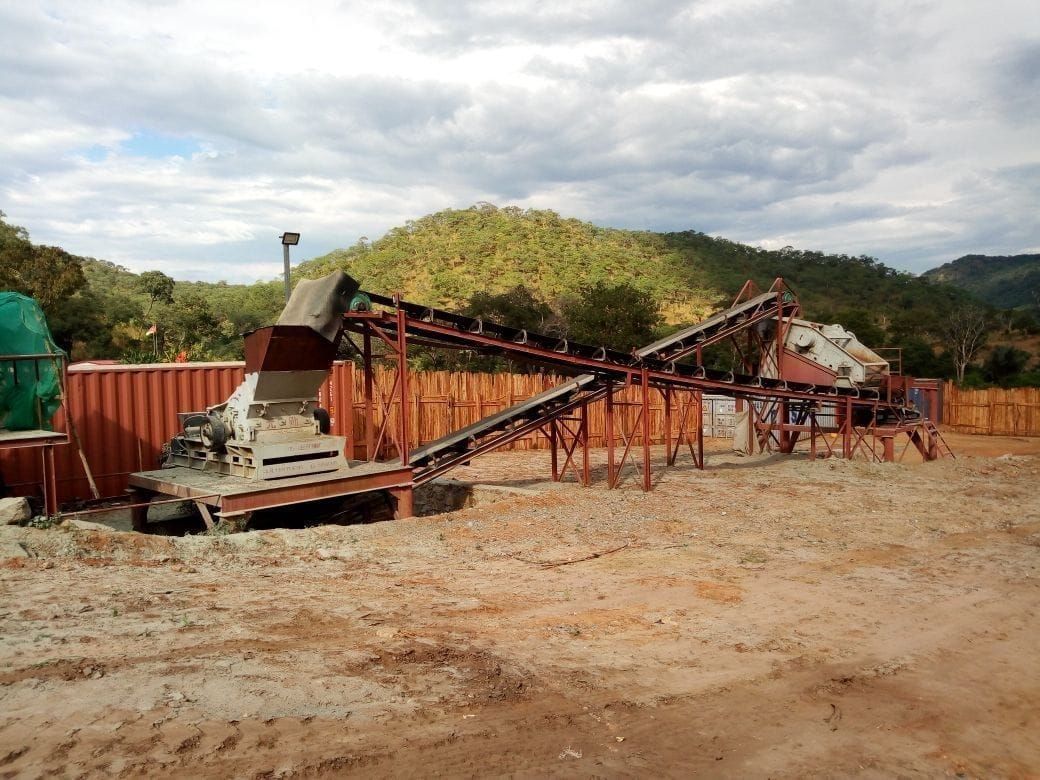
Good afternoon. Mozambique’s plans to claim a free 15% stake in mining projects and allocate at least 20% of extracted minerals to domestic consumption and processing reflect a familiar and reasonable ambition: the country should retain more of the value generated by its natural resources.
The 15% holding should give the state a direct interest in successful projects without requiring it to finance the initial investment. But ownership alone does not guarantee substantial public revenue. The value of the stake will depend on how projects are financed, how their costs are calculated, and whether profits are eventually distributed.
The full Daily Briefing continues below for Pro subscribers. Subscribers to the Zitamar News tier can read the top half, including the full leader article, here.
The latest from Zitamar News:
 Zitamar News
The 20% domestic requirement raises still more questions. Does “allocation” mean mining companies must sell locally if a buyer exists, or that one-fifth of production cannot be exported even when Mozambique has no industry able to use it? What level of activity will qualify as processing? Minerals are commonly cleaned, separated or graded before export, but that is very different from manufacturing finished or intermediate products inside Mozambique.