Good afternoon. Mozambique’s international partners are still present. The European Union is continuing its military mission; France is training Mozambican forces through its Indian Ocean military mission; the UK is weighing in on how the crisis in Cabo Delgado should be tackled; and Sweden is reaffirming its cooperation, even after deciding to wind down the bilateral development model that shaped its relationship with Mozambique for decades.
But taken together, these are not routine diplomatic signals. They show a donor landscape being recalibrated. Mozambique’s partners are not walking away, but they are changing the terms of engagement. They still want influence, access and results, but they are not willing to keep filling the same gaps indefinitely.
The full Daily Briefing continues below for Pro subscribers. Subscribers to the Zitamar News tier can read the top half, including the full leader article, here.
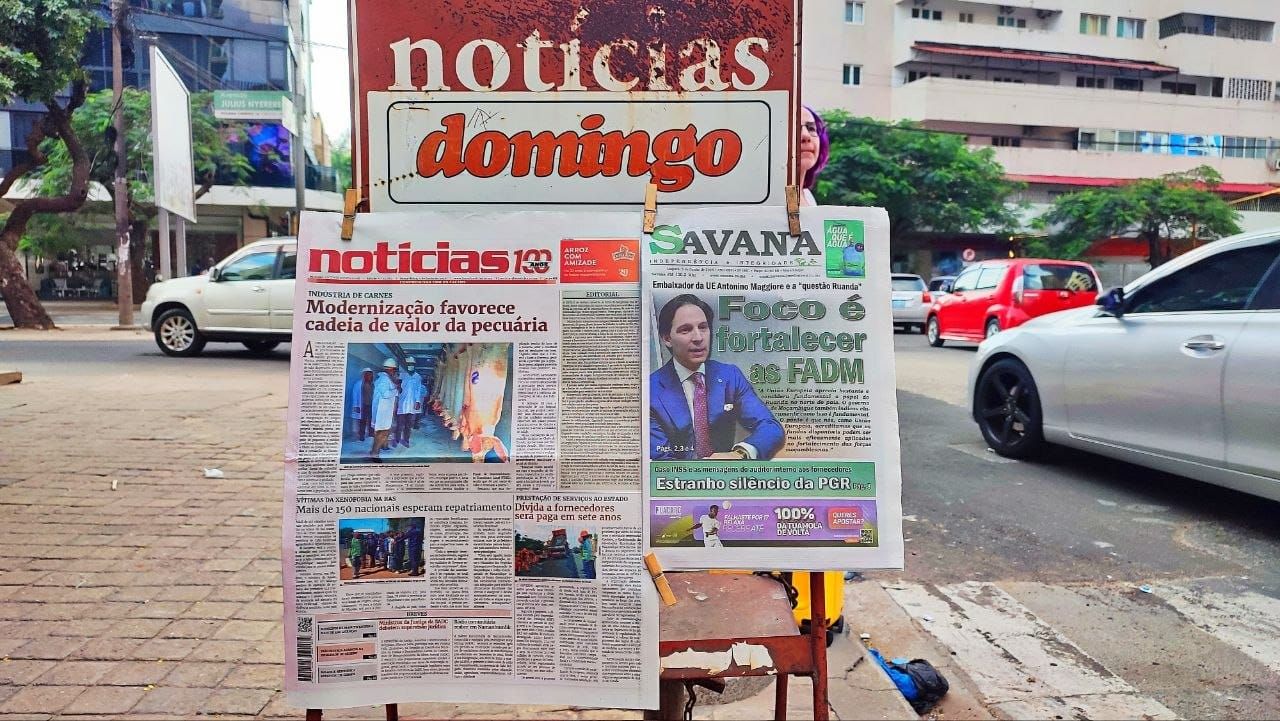
The clearest case is Cabo Delgado. EU ambassador Antonino Maggiore was careful, in his interview with weekly newspaper Savana, to say that European defence and security cooperation with Mozambique “will not cease”. EUMAM has trained Mozambican soldiers, supplied non-lethal equipment and moved into strategic mentoring. More material support, including armoured vehicles and drones, is under discussion. France’s mobile training teams fit the same pattern: technical support, maintenance, training and capacity-building, rather than direct responsibility for the war.
But Maggiore was also clear that further EU support for Rwanda is not on the table. The EU praises Rwanda’s role and recognises that Maputo still sees it as fundamental. Yet Brussels now wants scarce security funds to strengthen the Mozambican armed forces, not to keep paying for a foreign force. Understandably, the EU view is that Cabo Delgado cannot be secured permanently by Rwanda, the EU or any other outside actor. At some point, responsibility has to return to FADM and the Mozambican state.